

Our beloved pets can experience different types of anxiety, just like humans do. Anxiety in dogs is a broad topic, so here we’ll focus on a few common types that many canines face.
Recognizing the Signs of Anxiety in Dogs
Anxiety in dogs can show in many ways.
Common signs include:
- Shivering or trembling
- Excessive panting
- Frequent licking or yawning
- Restlessness or pacing
- Whining, barking, or vocalizing
- Chewing or suckling on objects
- Widened eyes, drooling, or pursed mouth
- Tail wagging with agitation or aggression
Sometimes anxious dogs can seem excited, but it’s important to differentiate between true excitement and anxiety. Because many of these signs overlap with other health or behavioral issues, it’s always best to consult your veterinarian if you notice any of them.
Separation Anxiety
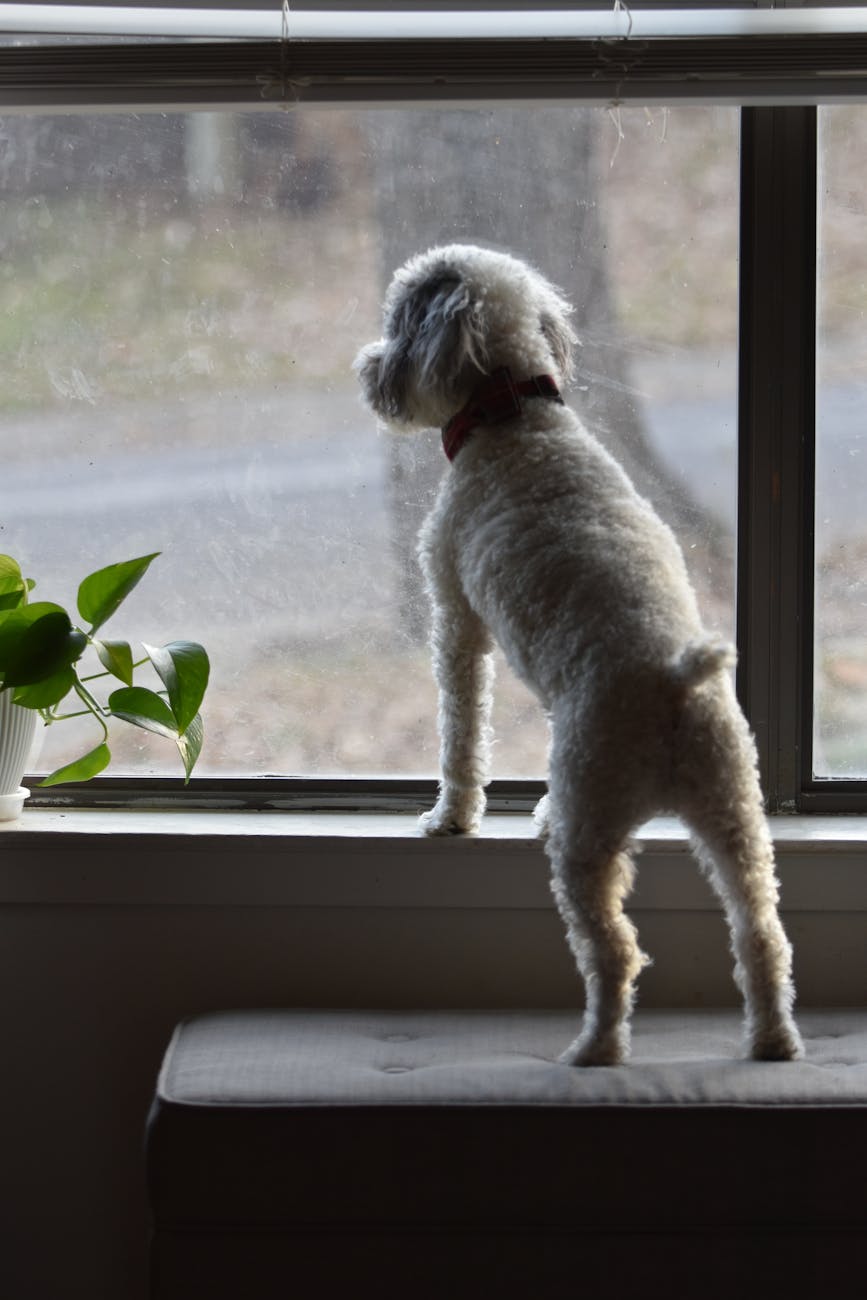
Separation anxiety is one of the most common anxieties seen in dogs, especially since the COVID pandemic led to changes like curbside vet visits and more time spent at home. Dogs with strong bonds to their owners, older pets, and puppies between 3-6 months old are especially prone.
This anxiety happens when your dog feels stressed being apart from you or a “safe” space. Here are some helpful tips:
- High-value treats or toys: Give your dog a special toy or treat only when you leave. This creates a positive association with your absence.
- Crate training: Some dogs feel safer in a crate, but supervise closely to ensure they don’t injure themselves trying to escape.
- Dog daycare or pet sitters: Having your dog spend time with others while you’re away can reduce loneliness and anxiety by distraction.
Situational Anxiety

This type of anxiety arises from specific situations, like packing for a move or visiting the vet. Dogs may show similar signs to separation anxiety but only in those stressful moments.
If your dog’s anxiety leads to harmful behavior or excessive fear, talk to your vet. Many clinics use “fear-free” approaches and may recommend supplements or medication to take off the edge and help your dog stay calm.
Generalized Anxiety
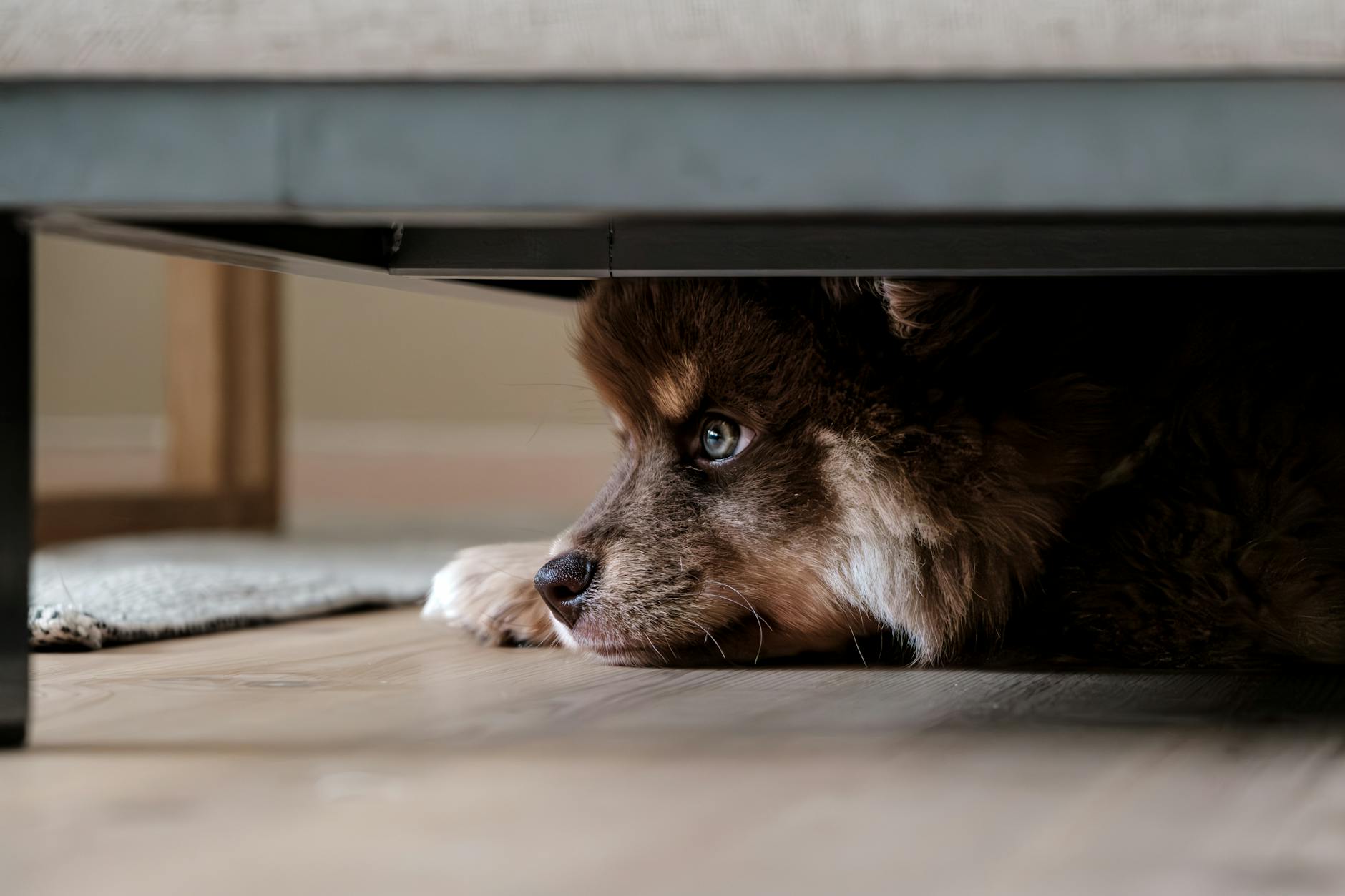
Some dogs experience anxiety most of the time, no matter what’s going on. They may:
- Pant excessively
- Startle easily
- Constantly seek attention
- Destroy objects even when you’re nearby
Long-term anxiety can be managed with daily supplements or medications prescribed by your vet. Consistency is key, so giving treatments on schedule is important for your dog’s well-being.
TECH TIP: If you’re concerned about your pet’s anxiety, reach out to your veterinarian. With the right support, you can help your furry friend live a happy, calm life.


 Pet Care Partner
Leave a reply to Pet Care Partner Cancel reply