
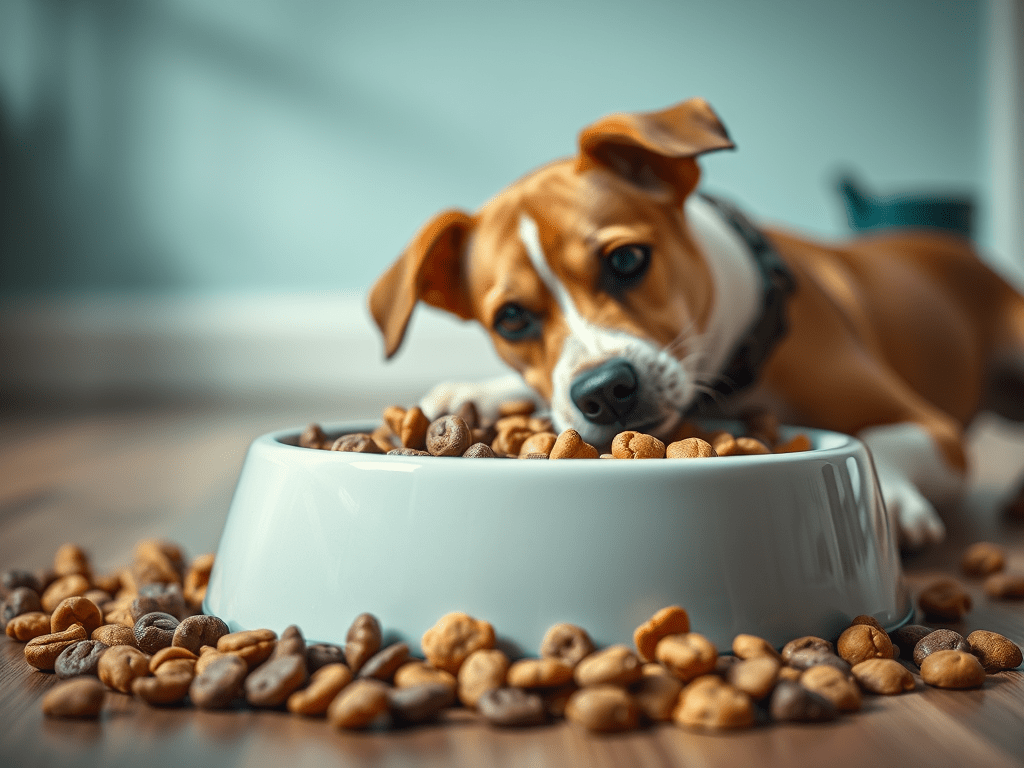

“Should I switch my dog to a grain-free diet?” If you’ve Googled that question, you’re not alone. As gluten-free eating took hold in human wellness, grain-free pet food surged in popularity—often without the research to back its loftier claims. Let’s clear up the biggest misconceptions and look at what the latest science (and your veterinarian) want you to know.
Myth #1: “My Dog Is Allergic to Grains”
Food allergies in dogs almost always target proteins, not grains. The most common culprits are dairy, chicken and beef. Switching to a grain-free kibble made with the same protein rarely fixes the itch.
Approximately 10% to 15% of dogs in Canada are estimated to have allergies and about 1% of those allergic dogs have grain allergies.
- Try a novel or hydrolyzed protein first (e.g., salmon, duck, rabbit, or a therapeutic hydrolyzed diet).
- Beware of cross-contamination. Even “limited-ingredient” diets can contain trace proteins from other recipes made on the same line or facility.
- Work with your vet on a true elimination trial. It’s the gold standard for diagnosing food allergies.
Myth #2: “Grains and By-Products Are Just Fillers”
Whole grains like rice, corn, and barley provide high-quality carbohydrates, amino acids, pre-biotic fibers, vitamins and minerals that dogs use for energy and balanced nutrition. They’re not cheap fillers — they’re proven ingredients.
Likewise, “by-products” aren’t waste. They include nutrient-rich organ meats like liver and heart that offer far more vitamins and minerals than plain muscle meat.
Fact: Diet-Associated Dilated Cardiomyopathy (DCM)
Since 2018, the FDA has been investigating cases of DCM (dilated cardiomyopathy) in dogs eating grain-free diets high in legumes (peas, lentils, chickpeas, etc.). While research is ongoing, cases are still being reported — even in dogs with no genetic predisposition.
Read the FDA’s latest update on DCM here.
Vet advice: Until more is known, many veterinary nutritionists advise avoiding grain-free diets unless specifically recommended for a medical condition.

So… Should You Skip Grain-Free?
For many dogs, yes. Grain-free isn’t necessary unless your dog has a confirmed allergy or special dietary need. Here’s a quick guide:
- Grain allergy? Unlikely. Choose a balanced food with grains unless your vet says otherwise.
- Heart concerns? If your dog is at risk for DCM, avoid grain-free diets.
- Looking for “premium” quality? Trust science-based brands that do feeding trials and follow veterinary guidance.
Tips for Feeding Your Dog Safely
- Look for brands that employ board-certified veterinary nutritionists.
- Don’t switch diets based on labels alone—ingredients and marketing aren’t the full picture.
- Keep the bag and lot number in case of recalls.
- Talk to your vet about allergies, GI issues, and nutrition needs.
Still have questions about grain-free, raw, or boutique diets? Send an email to petcarepartner@gmail.com
Your dog’s bowl should be filled with both evidence-based nutrition and love—never guesswork.


 Pet Care Partner
Leave a reply to Pet Care Partner Cancel reply