

In practice on a daily basis there are many times I need to clarify if a pet is painful. Sometimes I am asked outright if I think the pet in question is in pain and sometimes its comes across as a comment like “they don’t seem to be in pain”. It can be obvious to the pros because it is something we are trained to look for but I realise that not everyone recognizes these signs.
1. Limping or moving slowly
It may seem obvious to some people but this needs to be said. The reason this is number one is because we often have people with elderly or mildly injured pets claim that they “don’t seem painful” despite seeing this.
If your pet seems stiff or is moving carefully it is because something hurts. It could be a leg, back, neck or belly. They could be willing to eat, play or even seem happy but if they are not using their body the same way then it is sore. Any time you see your pet acting like this they should be brought to the vet to help figure out exactly where the pain is and the best way to manage it.
2. They are “Quiet”
If you get up one day and your pet is peering at you from bed instead of getting up to greet you like they normally do, it might be pain.
Take a moment to look at them and their body language, talk to them. If they decide to get up, are they moving normally? Sometimes they get up, do what they normally do (bathroom or eat food) but immediately go lay down again instead of exploring like normal.
Abnormal behaviour should always be noticed and acknowledged and likely trigger a vet visit to find out why it has changed. So often it is due to injury or disease but they just can’t tell us in words.

3. Vocalizing
Every pet owner knows the shriek of their pet. Whether they were playing to hard and bumped into something or got under someone’s feet we have all heard it. That is the obvious sign of pain.
The sounds that people don’t always recognize are the groans, grunts, sighs and abdominal noises that happen with pain. If your pet is noisier than usual this can be a sign of building pain or a stoic animal in pain. They don’t always scream or whine, so notice the grunts and groans that are happening too frequently or only at specific touches.
4. Facial Expression
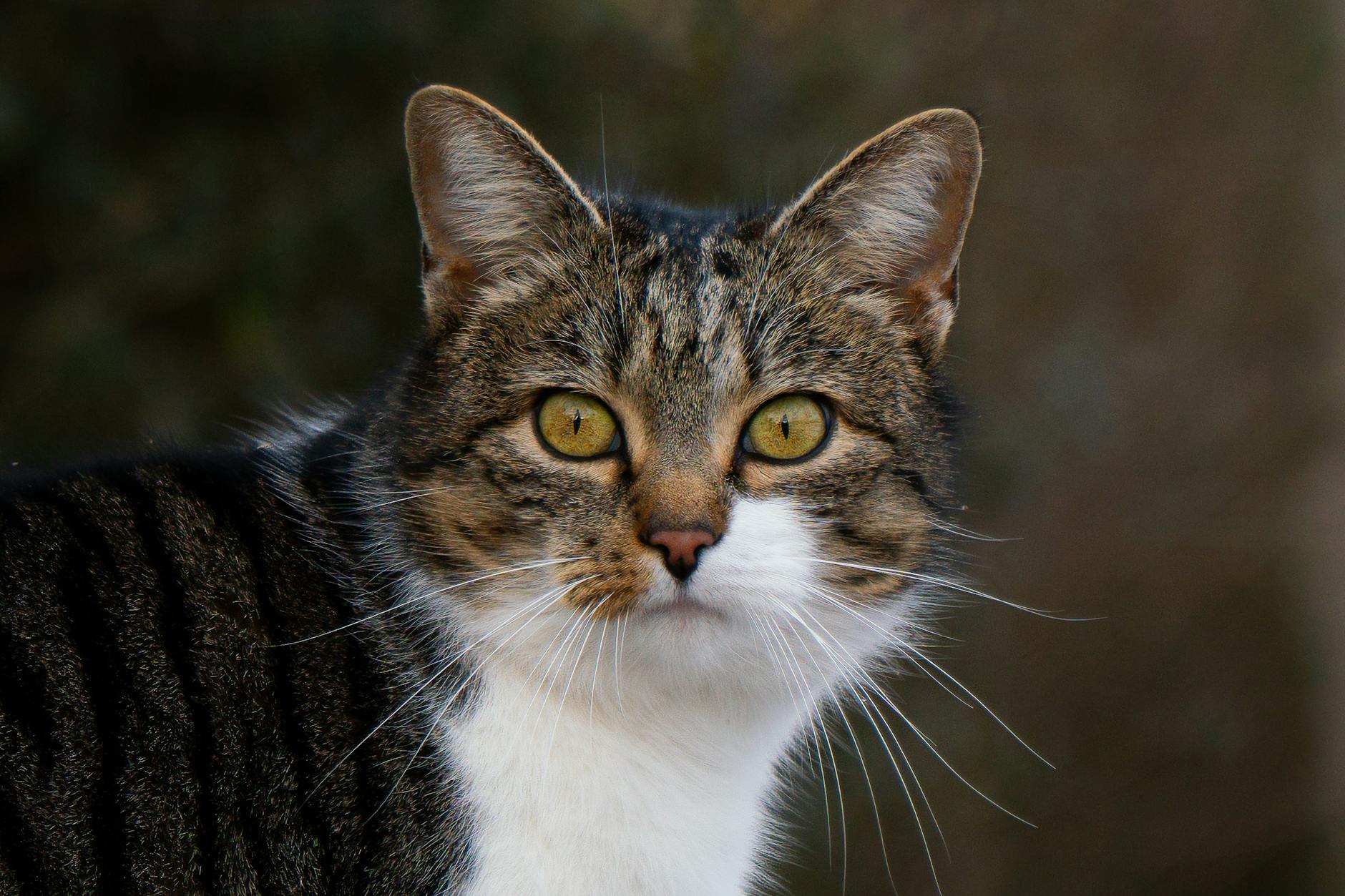
This is one of the hardest things to not only see but also to explain. A face indicating pain is often called a “grimace”. Dogs and cats grimace too. Take some time to recognize their whisker placements, how their lips sit, their ears and eyelids.
A cat in pain often will show eyes more closed, whiskers back, a tight mouth and sometimes their ears are lower. Dogs do the same. If your pet has an expression you are not used to, look for reasons or places they might be sore or feeling ill.
This link will take you to a Zoetis article on understanding feline grimaces: https://www.zoetispetcare.com/blog/article/cat-scowling-pain
5. Excessive Grooming
This is particularly seen in cases of chronic or frequently recurring pain or itching. Hair loss or barbering (like the hair has been trimmed) and skin or hair discolourations are signs that your pet is licking or rubbing or scratching one area frequently. I have seen this mostly on joints (usually front legs), belly (most common with allergies and chronic bladder pain, flanks (sides of the abdomen- tummy pain) and behind the ears (usually itchy or painful). This can happen anywhere on the body though!
It is important to get these cases to a vet soon because this means that the issue has been happening for a while.
6. Unfriendly Attitude
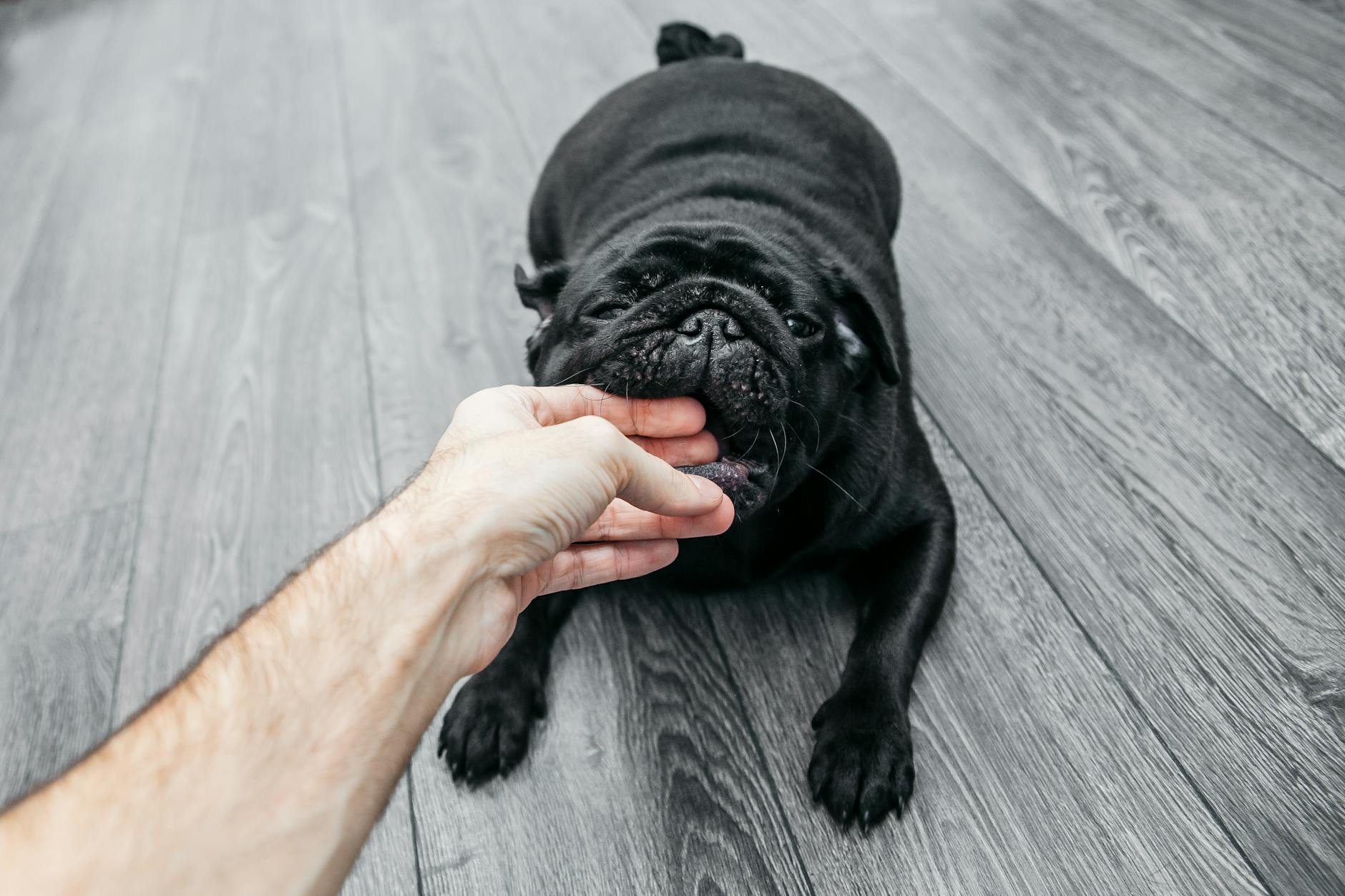
This one is surprising for a lot of pet owners. There are signs of aggression sometimes related to pain in all mammals. When something hurts enough we protect it and if it gets hurt again we make sure others know; animals do this too, just differently. If your pet is not usually fearful or aggressive and they’re warning you or willing to nip or bite as a result of touch or anticipation they are likely very painful. We see this most in elderly patients and puppies or kittens.
This behaviour is most often displayed in times of acute pain. Common examples I have seen are severe joint and abdominal pain. More specifically, a dachshund with a sore back, cat with a bladder blockage or a yorkie with pancreatitis are just a few patients I am always cautious with because these really hurt.
 Pet Care Partner
Leave a comment