
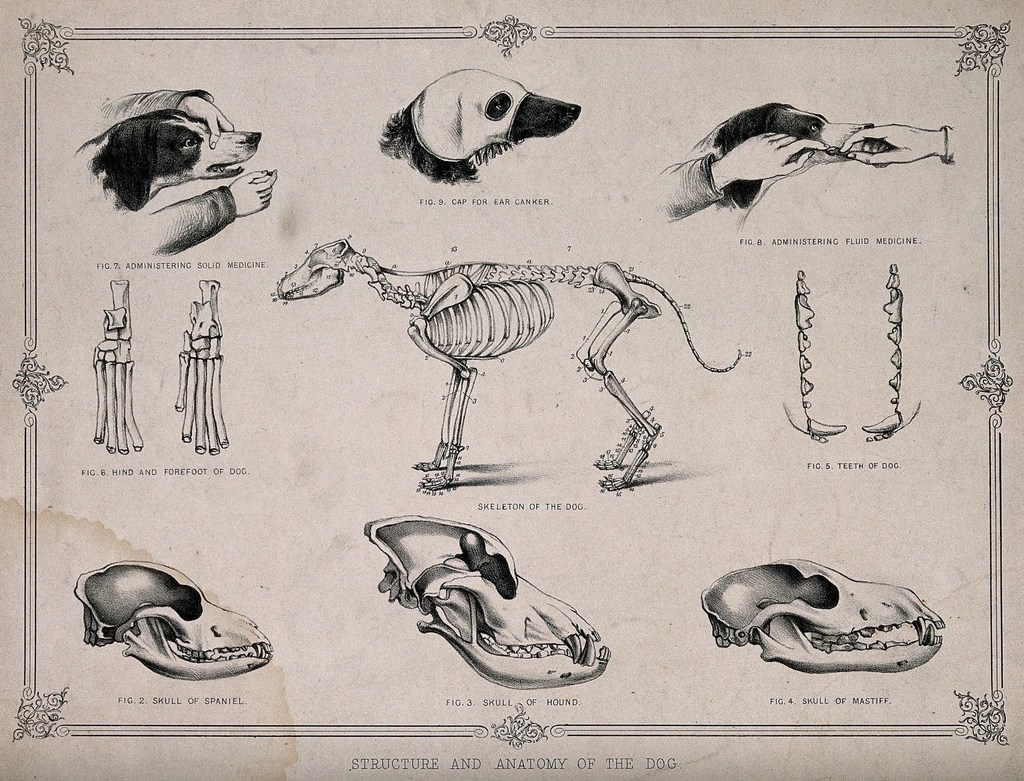
When it comes to our beloved pets, both dogs and cats, the shape of the skull is more than just an aesthetic trait. Skull morphology influences many aspects of health, anatomy and welfare. In this blog we’ll explore the three main skull shapes found in dogs and cats: dolichocephalic, mesocephalic, and brachycephalic. We’ll explain what each term means, give examples, and then focus on the special concerns that come with brachycephalic skulls.
1. Understanding Skull Shape : What the Terms Mean
What is skull shape?
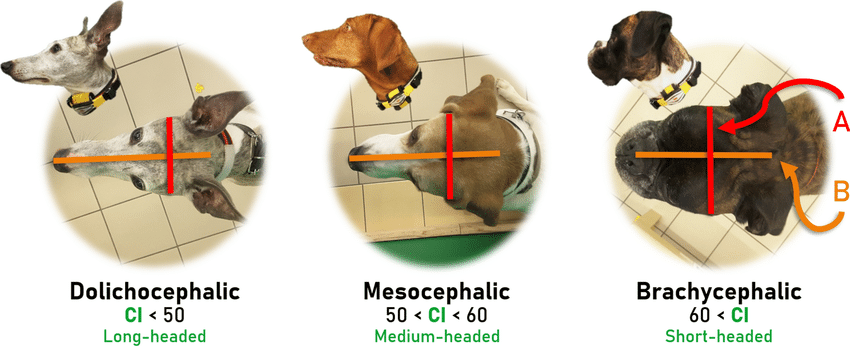
In veterinary anatomy the skull shape of a dog or cat is often described in terms of the cephalic index (CI), essentially the ratio of skull width to skull length. Based on this, three broad categories have been used:
- Dolichocephalic (“long-head”) – skull length significantly greater than width.
- Mesocephalic – skull of moderate proportions (neither very long nor very wide).
- Brachycephalic (“short-head”) – skull is relatively broad and shortened front-to-back; the face (muzzle) is pushed in.
Why does it matter?
The shape of the skull affects many anatomical features: nasal cavity size, shape and orientation of the eye sockets, alignment of teeth, airway passages, and more. Because these anatomical differences exist, skull shape becomes more than cosmetic; it can influence airway health, dental health, eye health and overall welfare.
2. The Three Skull Shapes & Their Characteristics
We’ll look at each skull shape in turn, describe what breeds tend to have them (dogs and cats), and note key general health implications (good and less-good).
(a) Dolichocephalic Skull
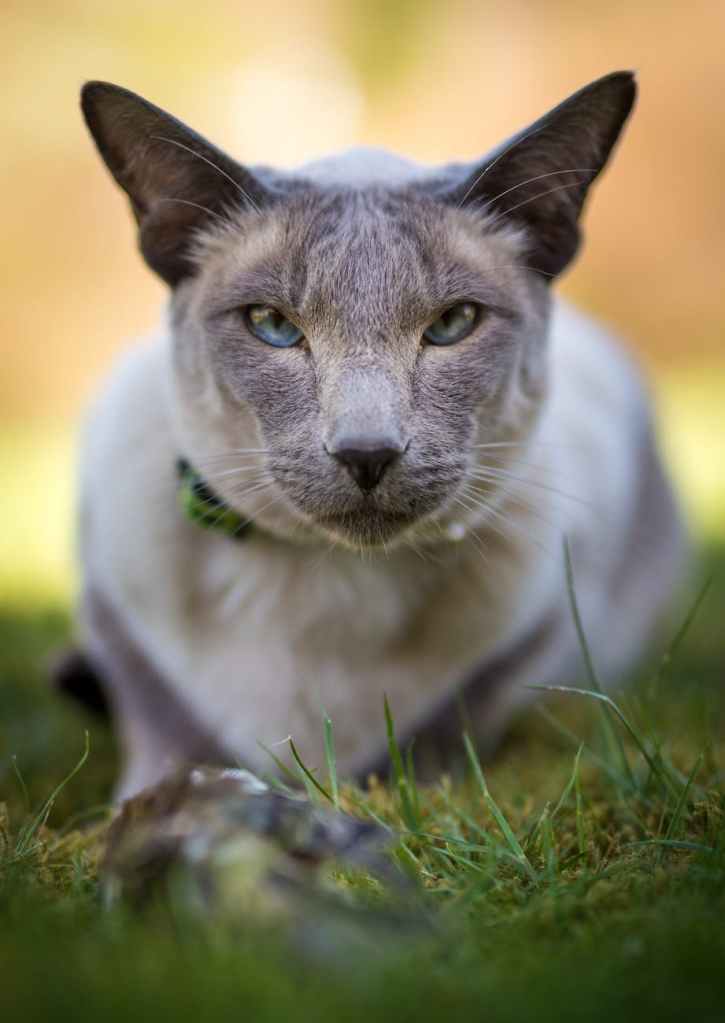
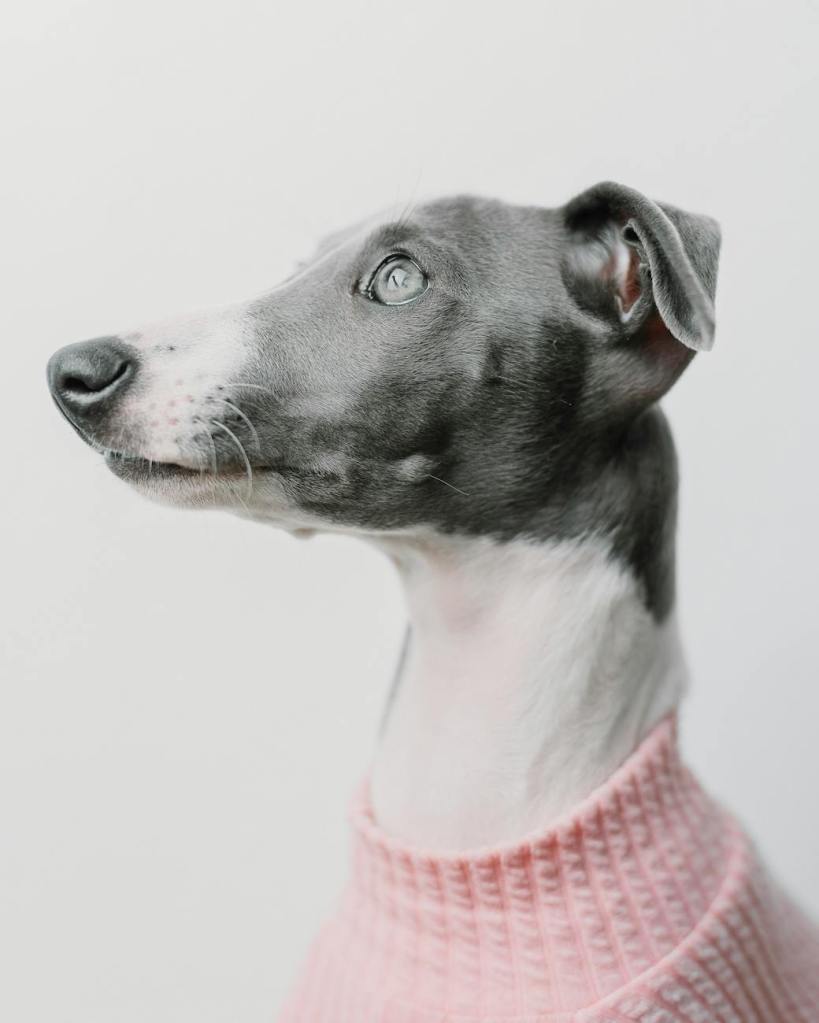
Definition & Traits: A dolichocephalic skull has a length (from back of skull to front of muzzle) that is significantly greater than its width. The muzzle is long and narrow.
Typical breeds (dogs): Examples include greyhounds, Salukis, Borzois – breeds referred to as “sighthounds” or that have a distinctly long nose
Typical breeds (cats): Some cat breeds also show elongated skulls/muzzles (though in cats this is less extreme than dogs). EG: Abyssinians, Siamese, Oriental Shorthairs
Health implications (positive & caution):
- A long muzzle often allows for good nasal cavity volume and airway clearance, which is a positive.
- However, dolichocephalic breeds may have other risks, such as higher susceptibility to nasal disease (because of large surface area in nasal passages), dental disease or eye issues due to elongated skull shape.
- In cats and dogs, skull shape influences how internal structures (olfactory bulbs, brain orientation) are arranged. One study found that dolichocephalic cats have more round shaped brain structures for scent identification.
(b) Mesocephalic Skull
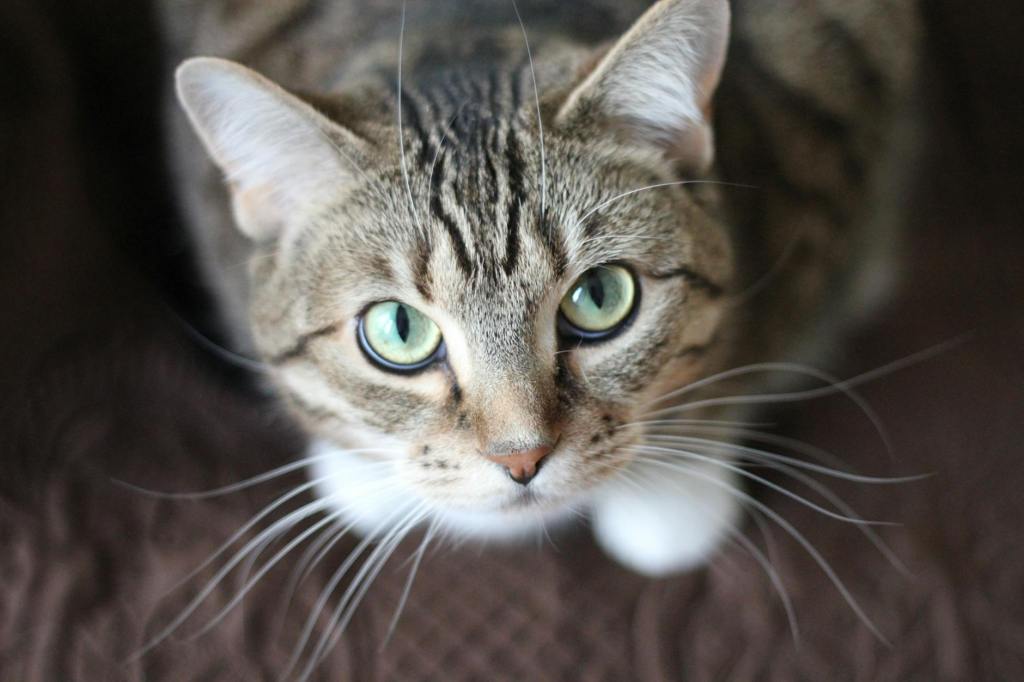

Definition & Traits: Mesocephalic skulls fall in the middle – neither extremely long nor extremely short. The skull width and length are relatively balanced. Often deemed “just right”, this is the most common skull shape in cats.
Typical breeds (dogs): Many common breeds: Labrador Retrievers, Golden Retrievers, Beagles
Typical breeds (cats): Domestic short-haired cats, Russian Blue, Maine Coon
Health implications:
- Because the skull proportions are moderate, many of the (skull-related) health risks seen in the extremes (very long or very short) are less pronounced.
- That doesn’t mean “no risk” – breed-specific issues still apply – but generally skull shape alone is less likely to impose major issues in comparison.
- Thus, mesocephalic may be considered a “balanced” skull form in many pets.
(c) Brachycephalic Skull
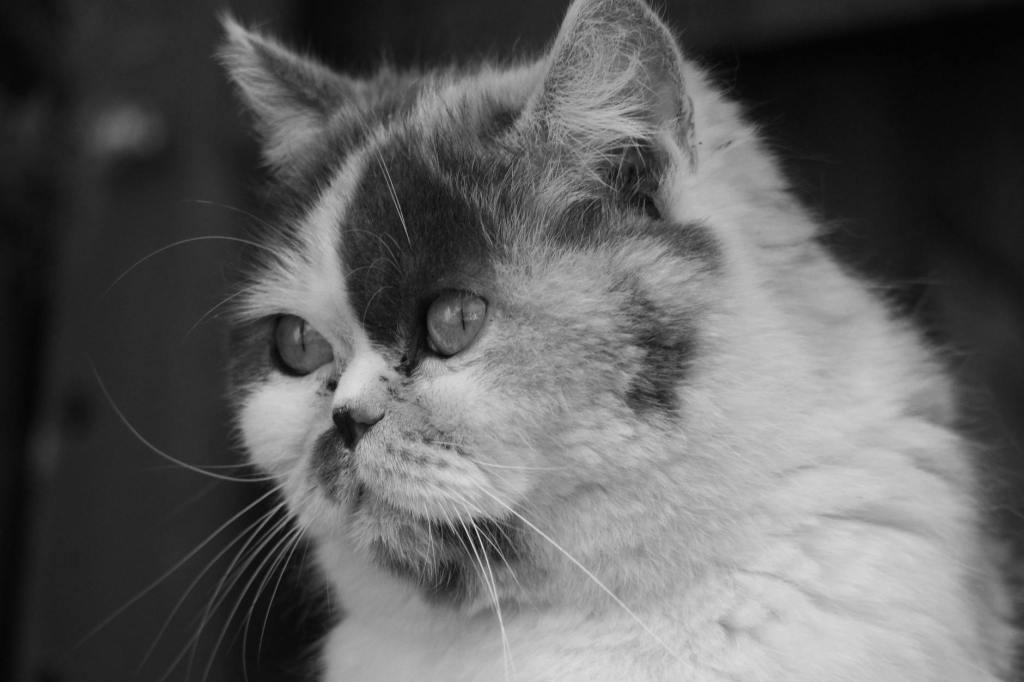
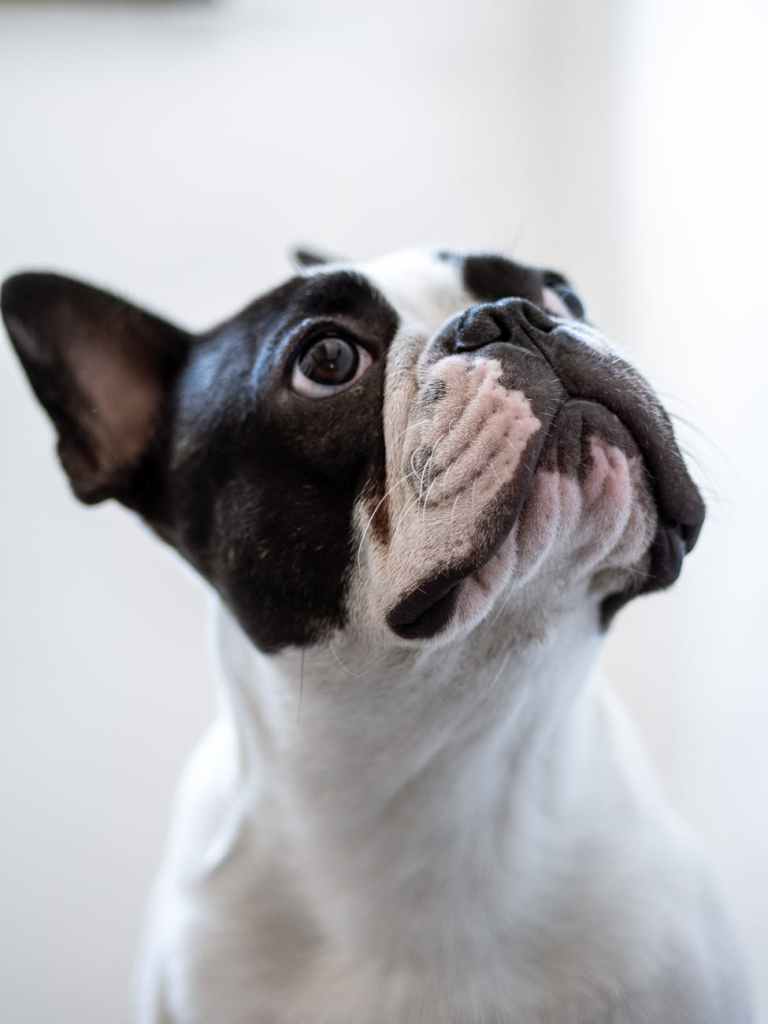
Definition & Traits: A brachycephalic skull is characterised by a short skull length relative to its width, often with a very shortened muzzle (flat face), broad skull, sometimes pronounced ‘stop’ between the forehead and muzzle.
Typical breeds (dogs): All Bulldogs, Pugs, Boxers, Boston Terriers, Shih Tzus.
Typical breeds (cats): Persian, Exotic Shorthair, British Shorthair
Why we emphasize this shape:
This skull shape is strongly associated with welfare risks. Many anatomical features are altered: compressed nasal cavities, narrow nostrils (stenotic nares), elongated soft palate relative to muzzle length, crowded and mis-aligned teeth, eye bulging due to shallow orbits.
Health and welfare concerns specific to brachycephalic shape:
- Airway obstruction / breathing difficulties: Termed brachycephalic obstructive airway syndrome (BOAS) in dogs. These animals often struggle with sleeping, panting, heat tolerance, and exertion.
- Dental and oral issues: Because the muzzle is short, jaw length may be too compact for full complement of teeth, leading to crowding, malocclusion (for example underbite) and increased disease because of it.
- Eye and skull issues: Flattened face can push the eyes forward, make orbits shallow creating higher risk of corneal ulceration, eyelid issues, tear-duct overflow and accidental proptosis (eye falling out). For cats, studies identified changes in the olfactory bulb orientation and size in brachycephalic cats (smaller due to lack of room).
- Other breed-specific concerns: In cats, extremely pushed-in faces can lead to compromised skull/brain morphology in severe cases. Example: hydrocephalis and cognitive dysfunction
- Overheating and exercise intolerance: Because effective respiration and cooling may be hampered by airway restrictions.
- General welfare and lifespan impact: The phenotype that is considered “cute” (flat face, big eyes) can carry a cost in terms of quality of life and veterinary needs.
Thus: While all skull shapes come with trade-offs, the brachycephalic shape demands particular vigilance and generally more care from pet owners.
3. What Pet Owners Need to Know – Practical Guidance
Given these skull shape categories, what should you, as a dog or cat owner, need to keep in mind? Especially if you have or are considering a brachycephalic-skull breed.
For all skull shapes:
- Be aware of your pet’s breed predispositions. Even a dog with a “normal” (mesocephalic) skull could have other breed-specific concerns.
- Watch for changes in eating, breathing, activity level, eyes: these may reflect underlying skull/airway/dental issues.
- Regular veterinary check-ups should include oral examination, airway evaluation, eye and cognitive health
Special considerations if your pet is brachycephalic:
- Breathing & heat sensitivity: Avoid heavy exercise in hot/humid weather; watch for snoring, open-mouth breathing at rest, or difficulty settling.
- Airway assessment: Ask your vet to evaluate nostril width (stenotic nares), palate length, collar/chest suitability. Early intervention may help.
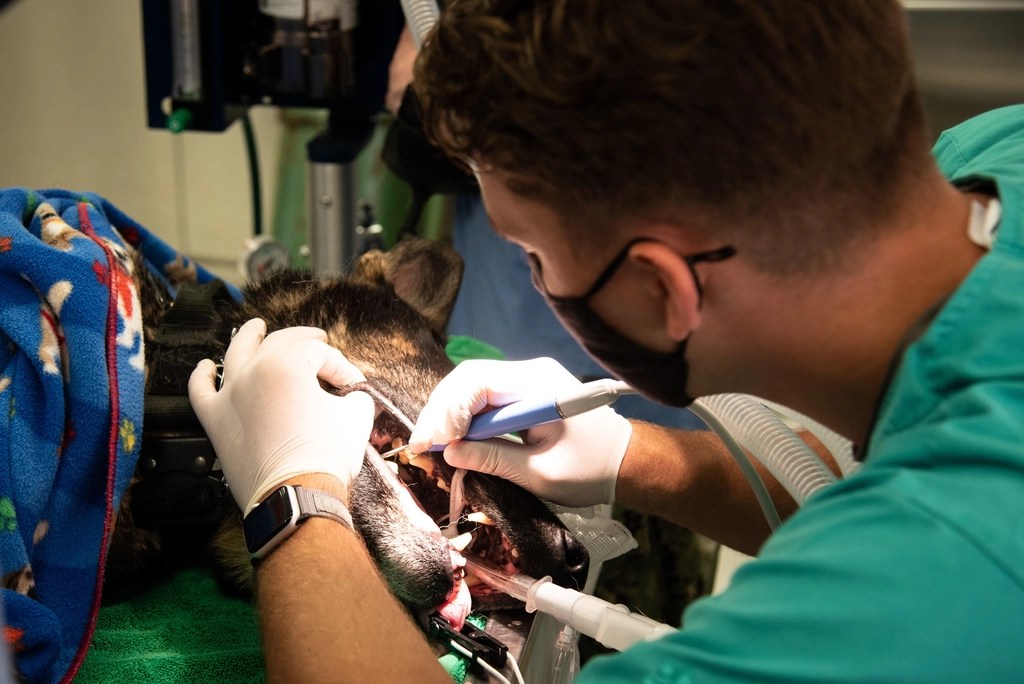
- Dental/oral health: Shorter muzzle often means more crowded teeth. More frequent dental checks and cleaning may be especially important.
- Eye health: Bulging eyes or shallow orbits may be at higher risk of injury, ulcers, eyelid disorders: monitor for discharge, redness, discomfort.
- Breeding and welfare ethics: If you’re acquiring a pet, choose a breeder or adoption source that prioritizes health over extreme appearance. Severe brachycephaly is increasingly recognized as a welfare issue and has even been banned in some countries.
- Preventive lifestyle: Maintain ideal body weight, minimise stress on breathing, ensure safe, cool environments, avoid forced participation in high-activity events that may provoke breathing collapse.
For mesocephalic and dolichocephalic pets:
- While many risks are greatly reduced compared to brachycephalic types, stay alert to breed-specific anatomy (e.g., long-muzzled breeds may have other vulnerabilities) and don’t assume “no risk”.
- For dolichocephalic pets: ensure nasal health, eye protection, monitor for any breed-specific airway, dental or sinus issues.
 Pet Care Partner

Leave a comment