
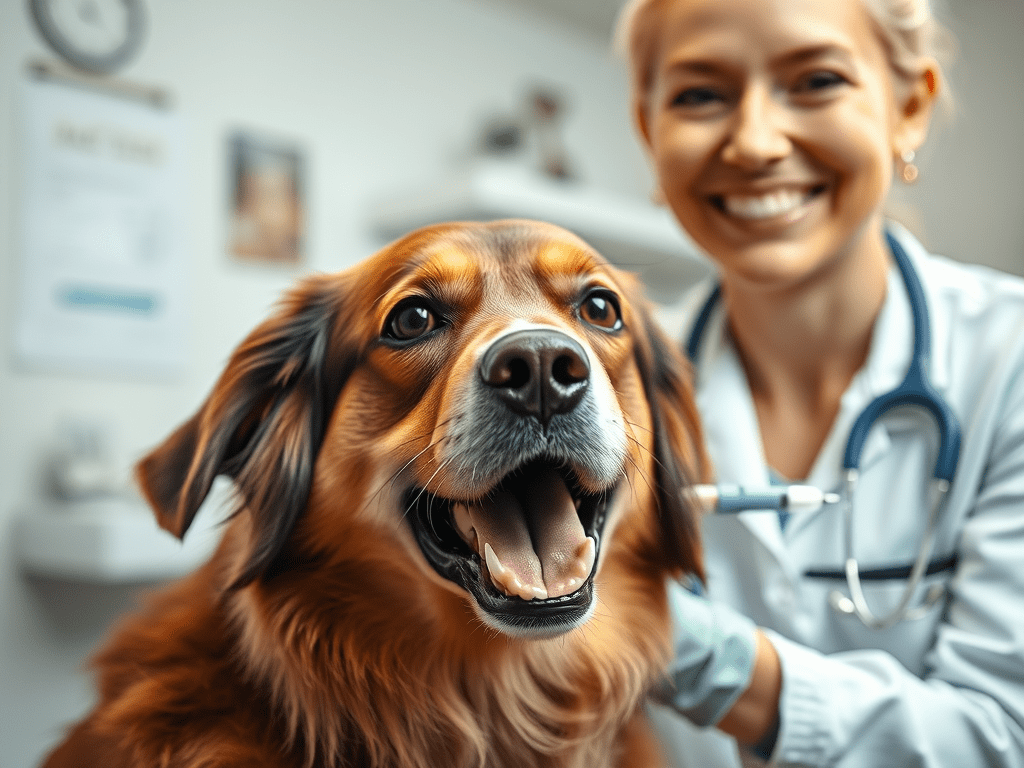
Why Dog Vaccinations Matter
In recent years, misinformation about vaccines has caused confusion, and that skepticism is now affecting pet care. The truth is, routine vaccinations are one of the most effective ways to protect your dog from deadly and preventable diseases and building a strong immune system.
How Vaccines Work
Vaccines help your dog’s immune system build defenses by exposing it to a safe version of the disease. If your dog ever encounters the real thing, its immune system already knows how to fight it and the disease will be less severe. This can mean for some diseases the difference between life and death.
Types of Dog Vaccines:
- Modified-Live (MLV): Weakened but effective
- Killed (Inactivated): Dead virus used for training immunity
- Recombinant: Engineered for safety and precision
Vaccine Reactions in Dogs
Most dogs handle vaccines well. Here’s what’s normal and what’s not.
Mild (Expected) Reactions:
- Sleepiness for a day
- Slight swelling at the injection site
- Lower appetite temporarily
Serious (Rare) Reactions:
- Vomiting or diarrhea
- Facial swelling
- Breathing difficulty
- Lethargy or collapse
Call your vet if you notice any of these symptoms after vaccination.
Core Dog Vaccines
DHPP (Distemper, Hepatitis, Parvovirus, Parainfluenza)
Why it matters:
This combo vaccine protects against 4 highly contagious and deadly diseases.
In some regions, additional diseases may be considered “core” due to prevalence, such as:
- Leptospirosis
- Canine Coronavirus (not COVID-19)
- Borrelia burgdorferi (Lyme disease)
If your vet recommends these, it’s usually because cases are common in your area.
Schedule:
- Puppies: 8 weeks old, then booster every 3–4 weeks for 3 total doses
- Adults: Booster after 1 year, then every 3 years if kept up to date.
⚠️ Note: Some vaccines require more frequent dosing depending on disease prevalence in your region. Always follow your veterinarian’s guidance.
Rabies Vaccine
Rabies is 100% fatal and transmissible to all mammals, including humans. Because there is no reliable test in live animals, rabies vaccination is legally required in many places. While rabies in pets may seem rare, this is thanks to aggressive prevention and wildlife monitoring programs.
Schedule:
- Initial dose at 12 weeks
- Booster 1 year after the initial vaccine
- Every 1–3 years thereafter depending on your location and diligence in scheduling.
Lifestyle-Based Vaccines (Non-Core)
These are recommended based on your dog’s activities and environment.
Bordetella (Kennel Cough):
- Required for daycare, boarding, and grooming facilities
- Recommended for dogs socializing in parks, competitions, or high-traffic areas
- Available as oral, nasal, or injectable
- Given annually
- Note: Severe strains have caused outbreaks with pneumonia in recent years.
Leptospirosis:
- Spread via contaminated water or urine
- Zoonotic (can infect humans)
- Annual vaccine recommended for outdoorsy, rural, or working dogs
Lyme Disease:
- Transmitted by ticks
- Recommended in tick-heavy regions
- Given annually

Final Thoughts: Should I Vaccinate My Dog?
Absolutely. Vaccines are a safe, effective, and affordable way to protect your dog from preventable suffering—and in many cases, they can be lifesaving. If you’re unsure which vaccines your dog needs, your veterinarian can create a plan tailored to your dog’s lifestyle and local risks.
 Pet Care Partner
Leave a comment