
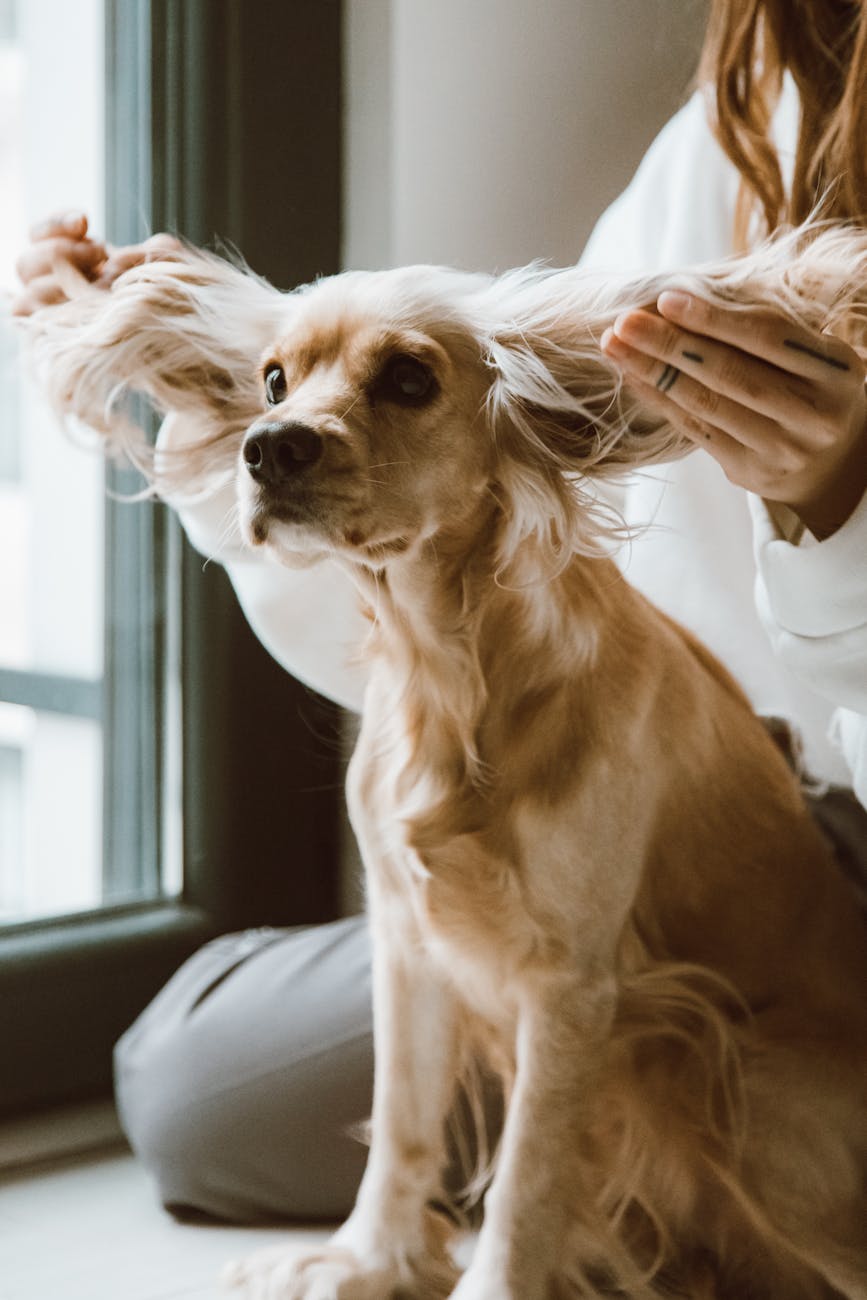
Ear cleaning is an important part of grooming for some pets, but surprisingly, about 75% of animals don’t actually need regular ear cleaning. If your pet is in the 25% that do, this guide is for you!
Why Clean Your Pet’s Ears?
There are a few common reasons you might need to clean your dog or cat’s ears:
- Dirty ears: More common in dogs with big, floppy ears or who love rolling in dirt, swimming, or digging.
- Wet ears: Using ear cleanser after baths, swims, or grooming can help prevent infections.
- Infections: If your pet has an ear infection, a vet visit is necessary for diagnosis and treatment. Some common causes are damp ears, allergies and foreign objects (like spear grass).
Important: If your pet shows signs like head shaking, excessive scratching, whining, head tilting, redness, or swelling, contact your veterinarian immediately and do not clean the ears. Many infections require professional handling and treatment.⚠️ If your pet has an eardrum injury due to infection or trauma inserting cleanser can deafen them.
How to Clean Your Pet’s Ears Safely
Remember: Pets’ ear canals are shaped differently than ours, with curves and folds that can trap debris. Never use cotton swabs (Q-tips) inside the ear canal – they can cause injury.
1. Warm The Ear Cleaner:
Place the bottle in a bowl of lukewarm water (not hot) to make it more comfortable for your pet.
2. Get Help:
Many pets won’t sit still, so having an extra person to gently hold your pet can make the process easier.
3. Fold Back The Ear Flap:
This applies especially to dogs with floppy ears, who are more prone to infections.
4. Apply Cleaner:
Pour a small amount of ear cleaner into the ear canal.⚠️ Do not do this if the ear is red, swollen, or filled with debris – see your vet first.⚠️
5. Massage Gently:
Massage the base of the ear near the skull. You should hear a gentle squelching or sucking sound as the cleaner works.
6. Wipe Clean:
Use gauze, tissue, cotton balls, or a soft cloth to clean the outer ear and remove excess fluid. Be gentle around folds and crevices.
⚠️Stop immediately if your pet shows discomfort or pain, and consult your veterinarian.⚠️
Regular ear care can help prevent infections, but always consult your vet if you suspect a problem. Stay tuned and subscribe for more helpful pet care tips and how-tos!
 Pet Care Partner
Leave a comment