

Keeping your pet’s teeth clean and healthy is a vital part of their overall wellbeing. With so many options out there, you might have heard about anesthesia-free dental cleanings and wondered if they’re a safe, effective alternative. While it may sound convenient and less stressful, anesthesia-free dental cleanings are actually not recommended by veterinary dental experts and here’s why.
What Are Anesthesia-Free Dental Cleanings?
Anesthesia-free dental cleanings involve cleaning your pet’s teeth while they are awake, often by scraping tartar off visible teeth without sedation. Some pet owners are drawn to this option because it seems faster, cheaper, and less risky than traditional cleanings under anesthesia.
The Risks of Skipping Anesthesia
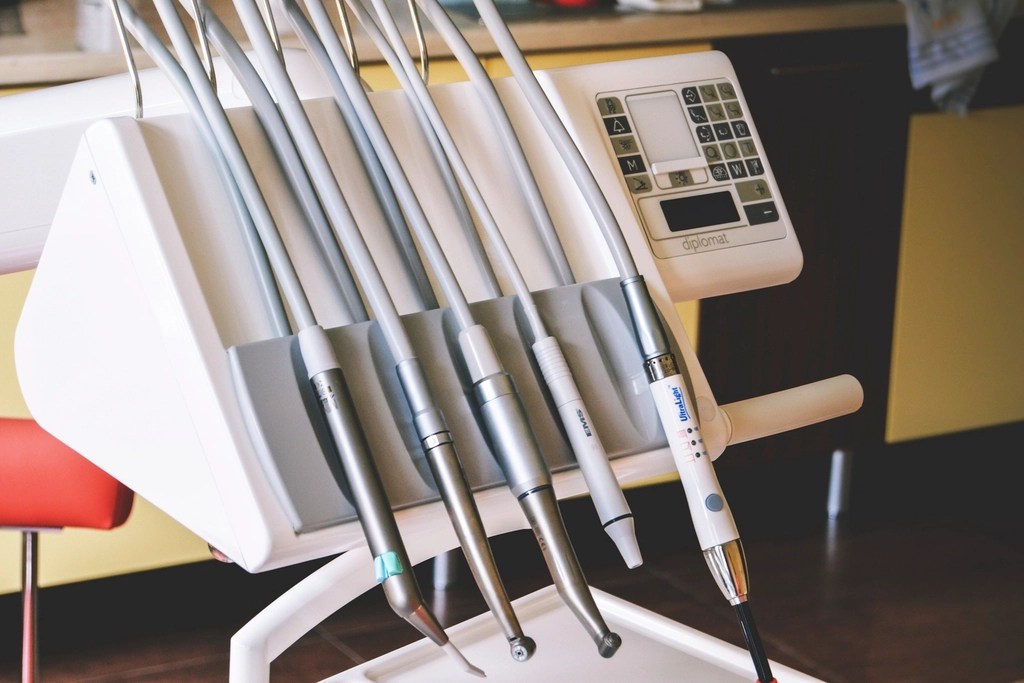
- Incomplete Cleaning: Without anesthesia, vets or groomers cannot access beneath the gumline – where harmful plaque and bacteria accumulate and cause periodontal disease.
- Stress and Discomfort: Most pets won’t tolerate dental instruments in their mouth without sedation, leading to stress and potentially painful struggles.
- Potential for Injury: Movement during cleaning can cause injury to the gums, teeth, or even the person performing the cleaning.
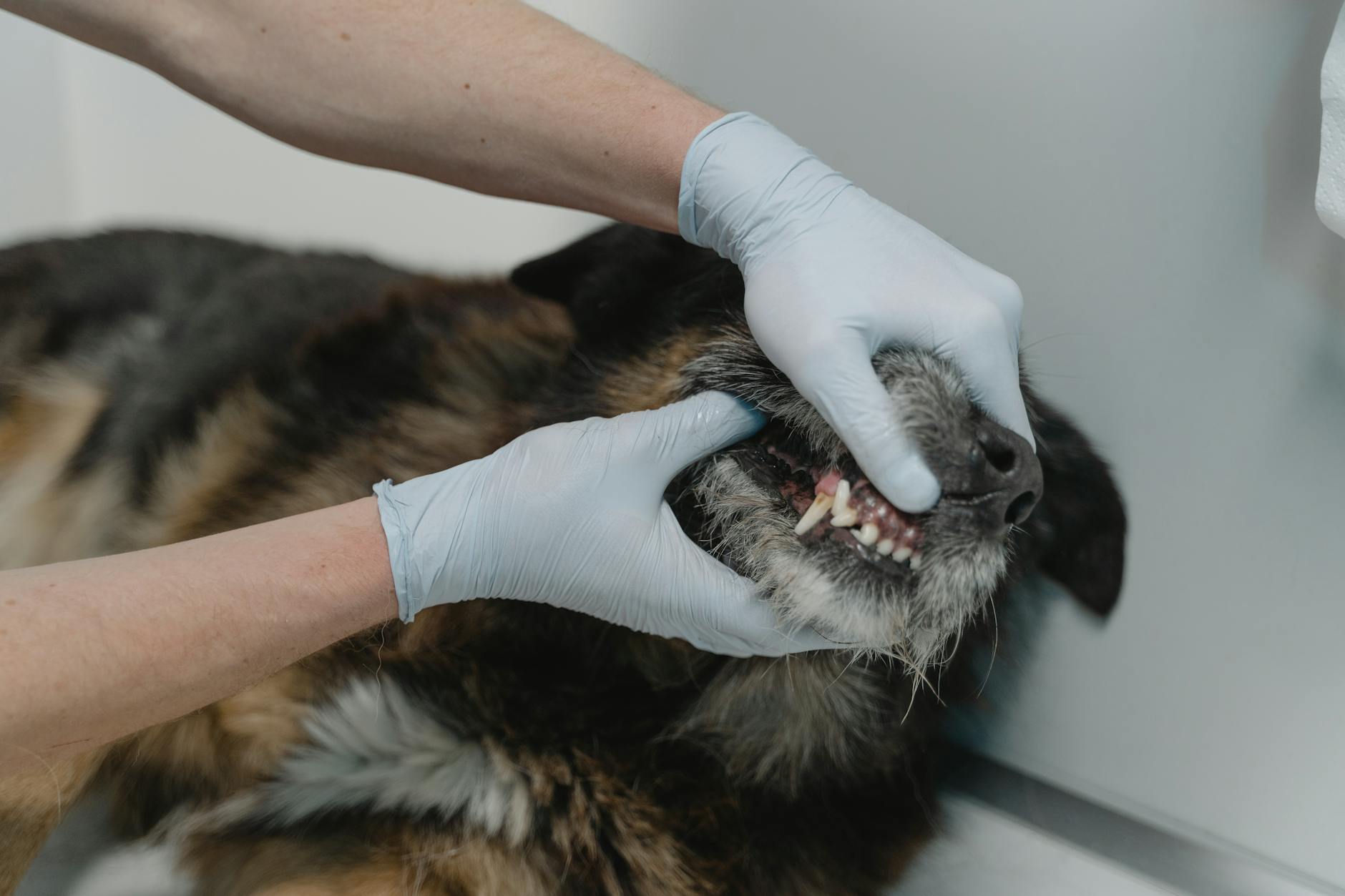
- Missed Dental Problems: A full oral exam under anesthesia allows veterinarians to identify hidden issues like loose teeth, oral tumors, or infections that can’t be seen when pets are awake.
Why Anesthesia Is Important for Dental Care
General anesthesia allows veterinarians to thoroughly clean all tooth surfaces, especially under the gumline, and perform a complete oral health assessment. It also makes the process safe and pain-free for your pet. While anesthesia does carry some risk, modern veterinary medicine uses careful screening and monitoring to keep those risks very low.
The Consequences of Inadequate Dental Care
Neglecting proper dental treatment can lead to painful gum disease, tooth loss, and infections that may spread to vital organs such as the heart, kidneys, and liver. Anesthesia-free cleanings simply don’t address these issues effectively, putting your pet’s health in jeopardy. The teeth might look nice but the disease under the gumline continues to progress.
What You Can Do to Support Your Pet’s Dental Health
- Brush your pet’s teeth regularly (daily if possible) with pet-safe toothpaste.
- Feed dental food from your veterinarian (only if your pet does not have any diet restrictions! Ask your vet.)
- Provide dental chews and toys designed to reduce plaque (without causing damage). Look for the “VOHC” label on the treats you choose.
- Schedule regular veterinary check-ups and professional cleanings under anesthesia when recommended.
In Summary
While anesthesia-free dental cleanings may seem appealing, they are not a substitute for comprehensive dental care. True dental health for your pet requires professional cleanings under anesthesia to ensure thorough treatment of dental disease.
Trust your veterinarian to provide the safest, most effective dental care because your pet deserves the most beautiful and healthiest smile possible!
 Pet Care Partner
Leave a comment