
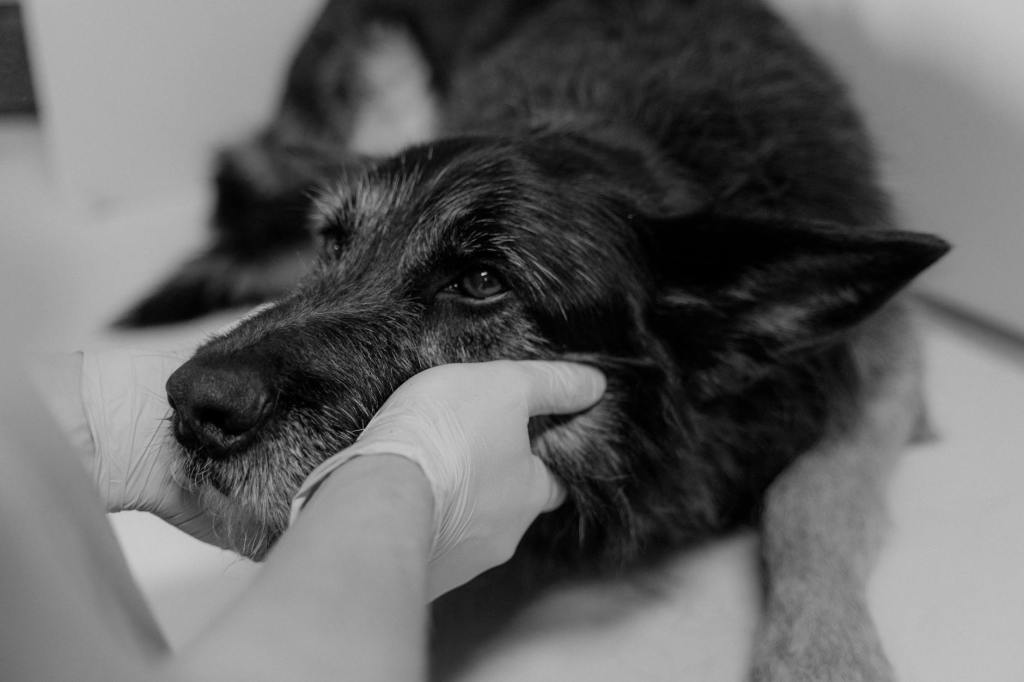
Bloodwork is an essential tool in veterinary medicine that helps assess how well your pet’s organs and body systems are functioning. We use blood tests to diagnose diseases, monitor ongoing health conditions, and perform preventative care to catch issues early before they become serious.
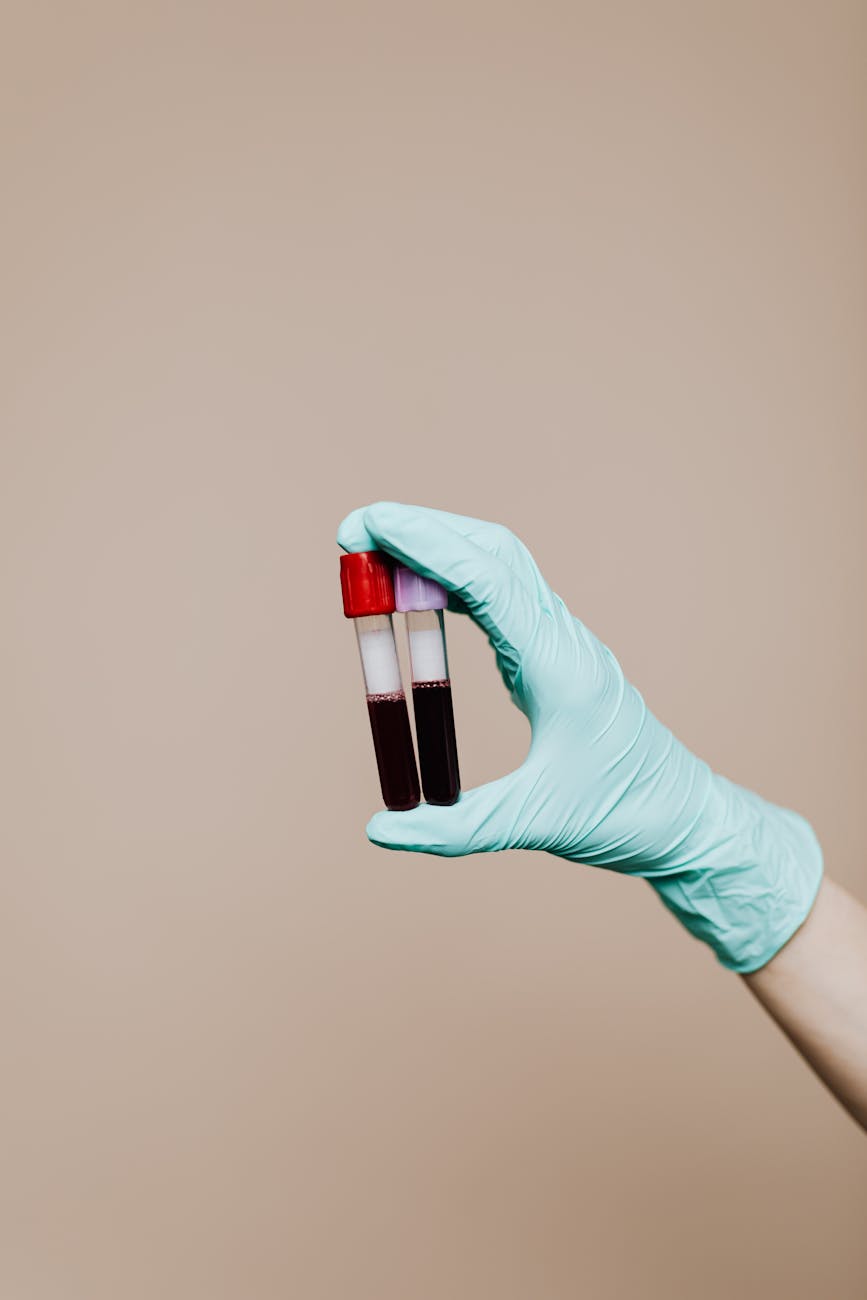
Why Preventative Bloodwork Matters
Pets are masters at hiding pain and illness, often showing no obvious signs until a disease has progressed significantly. Because they can’t tell us when something’s wrong, regular bloodwork helps detect hidden problems early, giving your pet the best chance for successful treatment.
Your veterinarian will recommend specific blood panels based on your pet’s age, lifestyle, current health, and medications. This creates a valuable baseline for future health checks and helps track changes over time.
Bloodwork for Elderly Pets
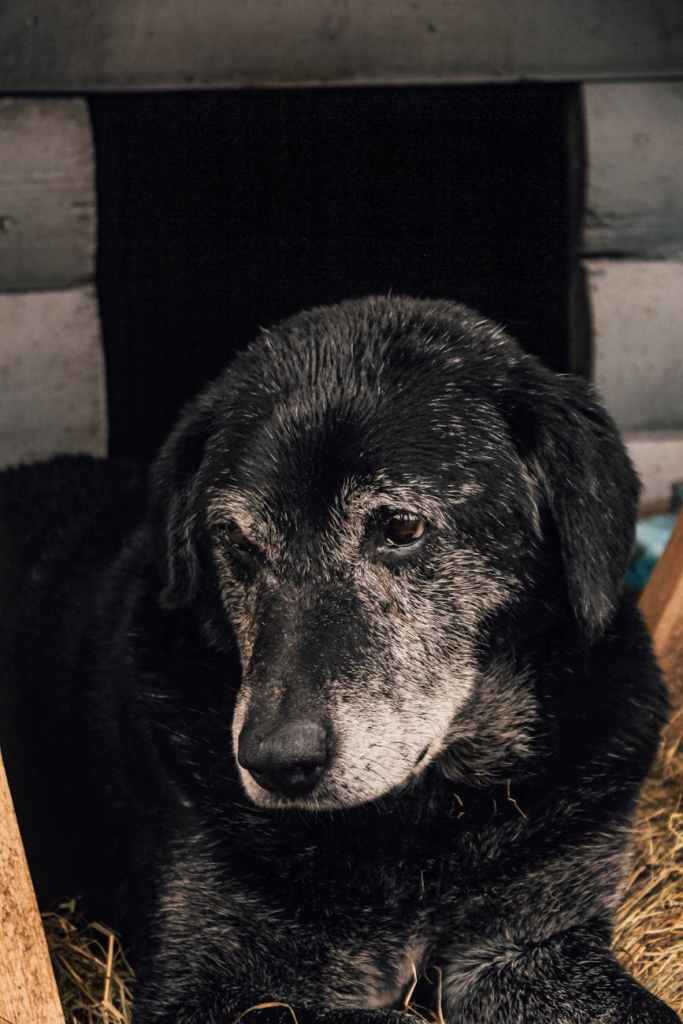
As pets get older, routine bloodwork becomes even more important. Annual tests help monitor organ function, joint health, and the effects of aging. Blood panels can detect infections, inflammation, and organ problems before they become critical.
Early detection means better management of chronic diseases and a higher quality of life for your senior pet.
Monitoring Diseases and Medications
Bloodwork also plays a key role in managing many chronic illnesses. Conditions like diabetes, thyroid disorders, Cushing’s disease, Addison’s disease, and kidney or liver disease require regular testing to monitor how well treatments are working and to adjust medications as needed.
Since every pet is unique, ongoing blood tests ensure their treatment plan is tailored and effective.
Pre-Anesthesia Screening
Before any procedure requiring anesthesia, your vet will often recommend pre-anesthetic bloodwork. This screening checks your pet’s organ function and overall health to identify any risks.
Blood tests provide information that physical exams alone can’t reveal, allowing your vet to customize anesthesia protocols and keep your pet safe during surgery.
Next time you visit your veterinarian, consider discussing bloodwork to keep your pet healthy and catch any hidden issues early.
 Pet Care Partner
Leave a comment