
DISCLAIMER: This post may contain affiliate links. I may earn a small commission if you click and make a purchase, at no extra cost to you.
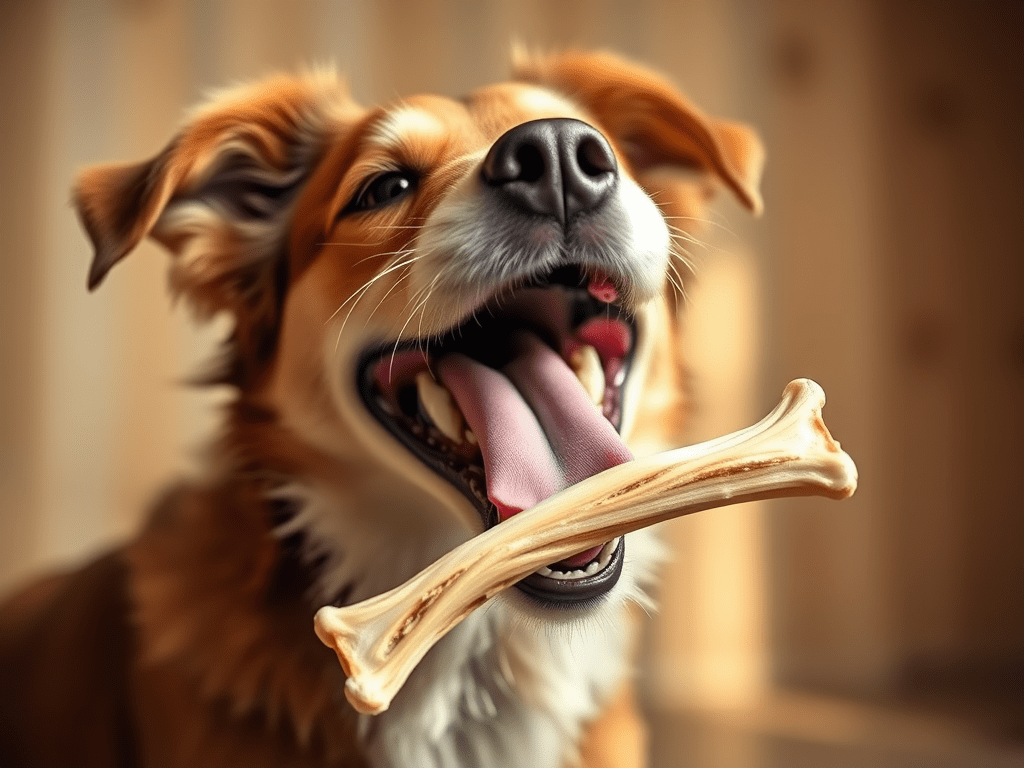
Over time, the topic of whether or not to feed rawhides has become quite controversial. There are strong opinions on both sides. However, when chosen wisely, rawhides can be a great benefit to the right dogs — offering mental stimulation, dental health support, and satisfying their natural chewing instincts.
Know Your Dog: Chewing Habits Matter
Contrary to popular belief, the size of your dog and the type of chewer they are plays an enormous role when choosing rawhide treats. For example, a chihuahua is typically a much gentler chewer than a great dane. If your dog tends to gulp their food or chew quickly without breaking things down properly, rawhides may not be the best option for them.
In cases like this, supervision is non-negotiable. Many rawhides, if swallowed in large chunks, won’t digest properly and can lead to dangerous intestinal blockages. If you think your pet may try to swallow a rawhide instead of chewing it thoroughly, it’s best to avoid them altogether.
High-Risk Shapes to Avoid
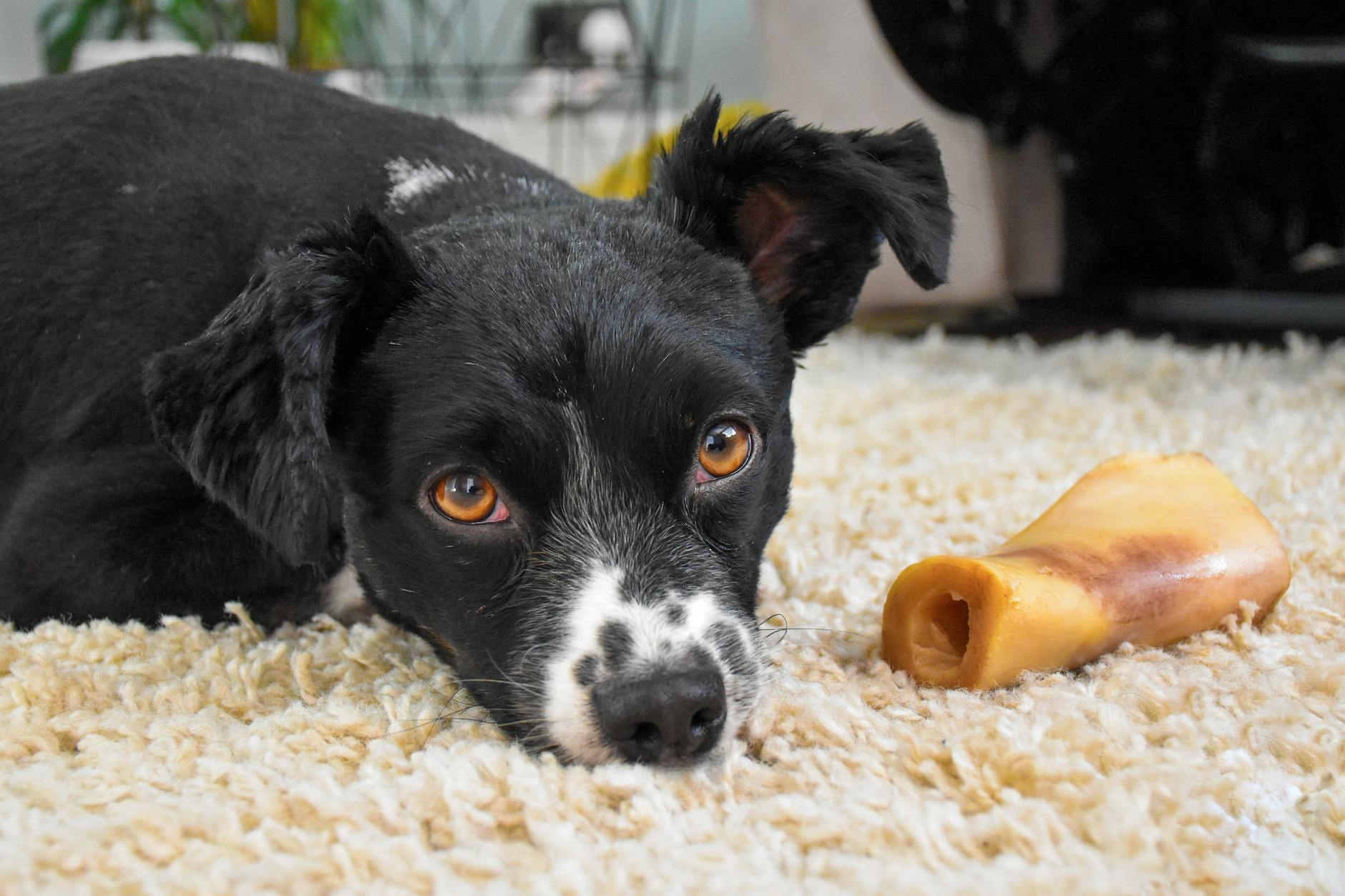
Certain types of rawhides are more likely to cause problems than others. Common culprits include:
- Knotted rawhides – The knots can be swallowed whole, leading to choking or intestinal blockages.
- String or ribbon rawhides – These can be swallowed like spaghetti and, if long enough, can bunch up the intestines (causing intussusception) and even cause internal cuts.
- Flat sheets and sticks – Don’t underestimate your pup! Even these can be gulped down once small enough
Always choose a rawhide that’s large enough to discourage swallowing and appropriate for your dog’s chewing strength and habits.
Consider Texture, Density, and Flexibility
Another important point when choosing rawhides is how hard and flexible they are. If a chew is too hard – like a bone or antler – it can crack or chip your dog’s teeth. Instead, look for rawhides that feel firm but not rock-solid. Ideally, they should have a density similar to strong wood (but remember: never let your dog chew actual wood).
Flexibility matters too. A good rawhide chew should bend slightly under pressure without splintering. Some products, like pressed rawhide sticks, are designed to soften as your dog chews, breaking apart safely without creating sharp pieces.

Alternatives for Real Rawhide:
There are no “safe” chews out there, all toys and chews should be supervised. There are some non-rawhide chews out there for anyone who would rather avoid this particular substance. Here are some (but not all!) alternatives:
- Cheese- Based Chews: There are some made of cheese. They might smell a little funky but I am sure your chewer will enjoy it none-the-less. Check out an example here.
- Sweet Potato: Plain, dried sweet potato. It may not have the durability but it is delicious. Very unlikely to flare up allergies and one ingredient. Check this one out!
- Collagen Chews: Similar to rawhide but still rawhide-free. Tasty, animal-based and many claim odour-free! Here is an example!
Final Thoughts: Is Rawhide Right for Your Dog?
Feeding rawhide isn’t one-size-fits-all — and that’s okay! When chosen correctly, rawhide chews can be a healthy and enriching part of your dog’s routine. But safety should always come first. That means:
- Choosing the right shape and size
- Ensuring proper density and flexibility
- Supervising your dog during chew time
- Avoiding rawhide altogether if your dog tends to swallow chunks
If you’re ever unsure, talk to your veterinarian or a certified canine nutritionist for personalized guidance. Every dog is different, and their chewing needs are too!
Have a question about rawhide or another chew? Drop it in the comments — I’d love to help!
Don’t Miss Out!
Support my Mission? Donate via e-transfer to petcarepartner.ca
 Pet Care Partner
Leave a comment