

Dental care is just as important for pets as it is for people. Regular brushing helps prevent plaque buildup, bad breath, and painful dental diseases that can affect your furry friend’s overall health. If you’ve been wondering how to brush your pet’s teeth at home, you’re in the right place! This simple guide will walk you through everything you need to know to keep your pet’s smile bright and healthy.
Why Is Brushing Your Pet’s Teeth Important?
Just like humans, pets can develop tartar, gum disease, and tooth decay if their teeth aren’t cleaned regularly. Poor dental hygiene can lead to infections that affect the heart, kidneys, and other organs. Brushing your pet’s teeth at home is one of the most effective ways to maintain good oral health and avoid costly vet visits.
What You Need to Get Started
- Pet-friendly toothbrush: Use a toothbrush designed for pets, with soft bristles and a size suitable for your dog or cat’s mouth.
- Pet-safe toothpaste: Never use human toothpaste! Choose a toothpaste formulated specifically for pets, available in flavors like poultry or peanut butter that your pet will enjoy.
- Treats and patience: Brushing can take practice, so be patient and reward your pet with praise and treats.
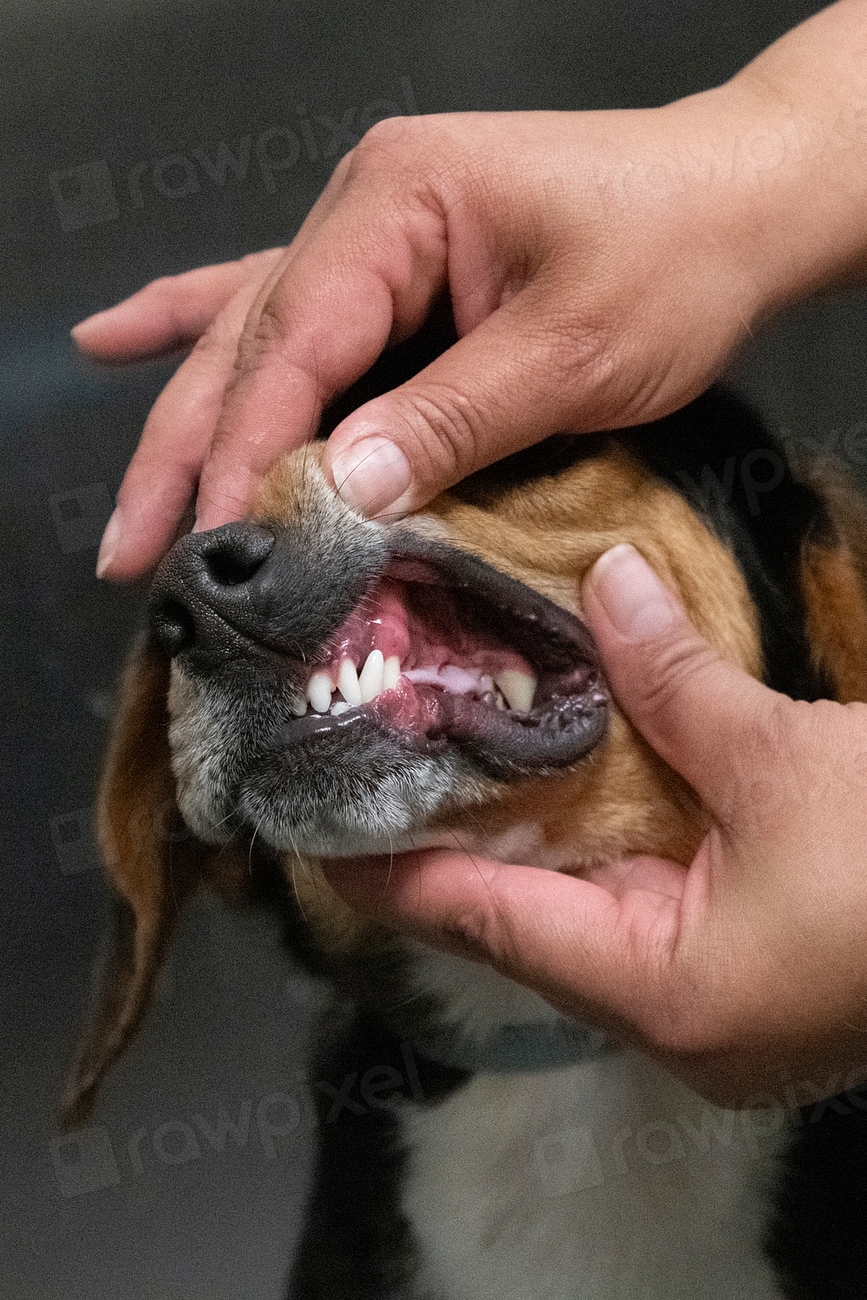
Step-by-Step Guide to Brushing Your Pet’s Teeth
- Get your pet comfortable: Choose a quiet, calm area and hold your pet gently but securely.
- Introduce the toothpaste: Let your pet taste a small amount of the pet toothpaste to get used to the flavor.
- Start slowly: Gently lift your pet’s lip to expose the teeth.
- Brush gently: Using small circular motions, brush the outer surfaces of the teeth, focusing on the gum line where plaque builds up.
- Keep sessions short: Start with just a few teeth at a time, gradually increasing the duration as your pet gets comfortable.
- Reward and praise: After brushing, give your pet lots of praise and a tasty treat to make the experience positive.
Tips for Success
- Consistency is key — aim to brush your pet’s teeth at least 2-3 times per week (daily brushing is ideal once your pet is used to it).
- If your pet is particularly sensitive to you touching their mouth/teeth start even slower: Regularly lift their lips and touch their teeth, use wipes or a finger brush to start, try using just water before introducing toothpaste.
- If your pet resists, try different positions or times of day to find what works best.
- Use dental chews and toys to complement brushing and reduce plaque buildup.
- Schedule regular veterinary dental check-ups to keep your pet’s teeth in top shape.

When to Seek Professional Help
- If you notice persistent bad breath, red or bleeding gums, difficulty eating, or loose teeth, it’s time to visit your veterinarian. Professional dental cleanings and treatments may be necessary to address dental disease.

Keep Your Pet Smiling Bright
Brushing your pet’s teeth at home is a simple, effective way to protect their health and keep their smile shining. With patience and practice, you’ll both enjoy the benefits of a happy, healthy mouth for years to come!
 Pet Care Partner
Leave a comment