
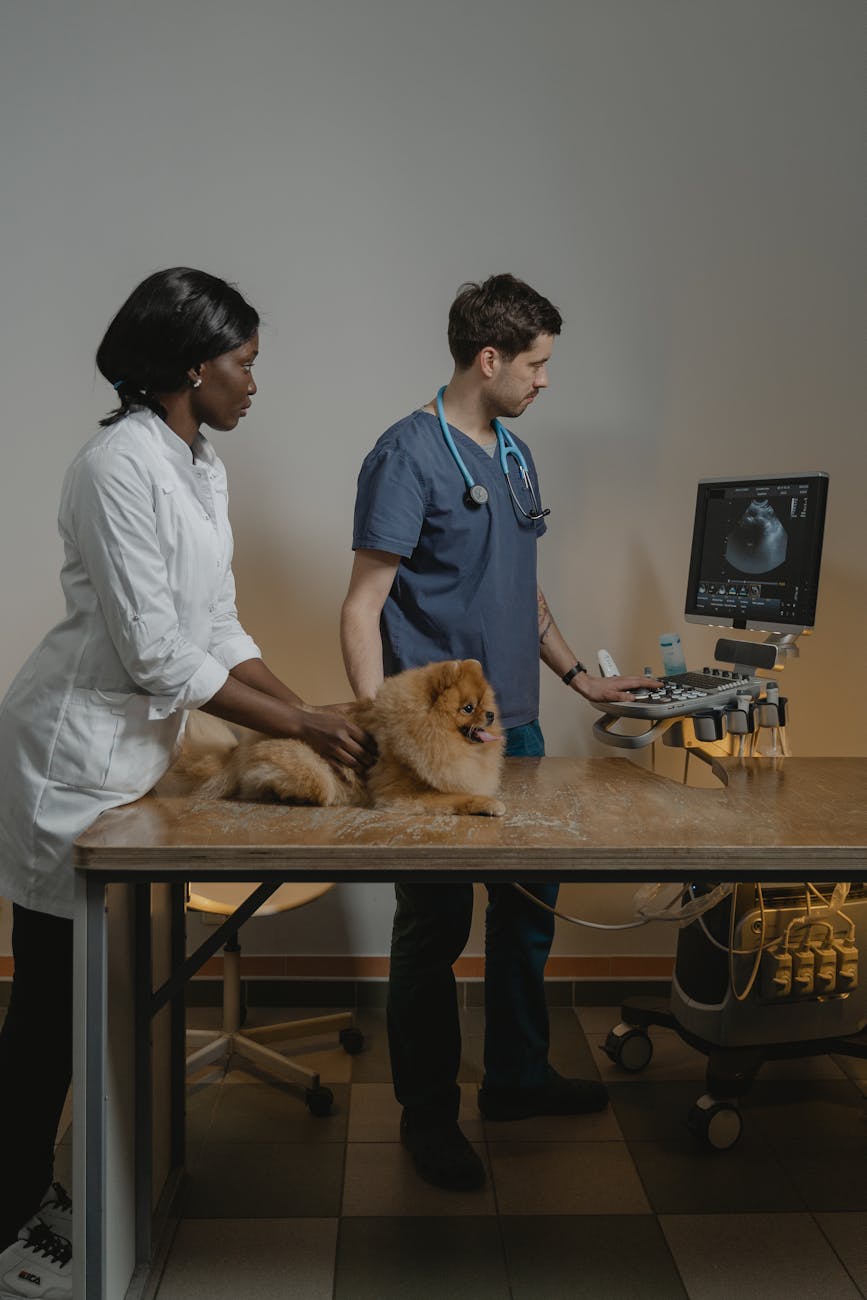
When you visit a veterinary clinic, you’ll often meet a team of dedicated professionals working together to care for your beloved pets. Two of many key roles in that team are veterinarians and registered veterinary technologists (RVTs). While their titles may sound similar, their training, responsibilities, and roles are different — and both are essential to providing excellent veterinary care.
What Is a Veterinarian?
A veterinarian is a licensed medical doctor who has completed a veterinary medicine degree, which typically takes about six to eight years of education including undergraduate studies and veterinary school. Veterinarians diagnose illnesses, perform surgeries, prescribe medications, and develop treatment plans for animals. They hold the highest level of medical responsibility in a veterinary practice.

What Is a Registered Veterinary Technologist (RVT)?
A registered veterinary technologist is a skilled veterinary professional who has completed a specialized diploma program in veterinary technology, usually two to three years. RVTs are trained to perform a wide range of clinical and technical tasks such as collecting samples, running lab tests, administering anesthesia, taking X-rays, assisting in surgeries, and providing nursing care. They work closely under the supervision of veterinarians to support patient care.

Key Differences Between Veterinarians and RVTs
| Aspect | Veterinarian | Registered Veterinary Technologist |
|---|---|---|
| Education | Doctor of Veterinary Medicine degree (6-8 years) | Veterinary Technology diploma or degree (2-3 years) |
| Scope of Practice | Diagnoses, prescribes treatments, performs surgeries | Performs diagnostics, assists with treatments, provides nursing care |
| Licensing | Licensed veterinarian with the authority to practice medicine | Registered/licensed as a veterinary technologist/technician |
| Responsibilities | Leads medical decisions and treatment plans | Supports veterinarians by performing technical and nursing tasks |
Why Both Roles Are Important
Veterinarians and registered veterinary technologists work as a team to provide the best care possible for your pets. While veterinarians focus on diagnosing and managing complex medical cases, RVTs bring specialized skills to monitor patients, run tests, and provide compassionate nursing care. This partnership ensures your pet receives thorough, attentive, and professional treatment at every step.
Final Thoughts
Next time you visit your veterinary clinic, take a moment to appreciate the unique roles of both your veterinarian and the registered veterinary technologists (assistants and receptionists too!). Each brings vital expertise and heart to your pet’s care, making a difference in their health and happiness.
Have questions about veterinary care or the team? Feel free to ask your vet clinic — they love helping pet parents understand how they care for your furry family members!

 Pet Care Partner
Leave a comment