DISCLAIMER: ALWAYS CONSULT YOUR REGULAR VETERINARIAN BEFORE CHANGING YOUR PET’S DIET.
Raw pet food diets have grown in popularity among pet owners who want to feed their furry friends more naturally. Whether you’ve heard about the potential benefits of shinier coats and better digestion or concerns about bacteria and balance, it’s important to understand both sides of the story. In this post, we’ll break down the pros and cons of raw feeding for dogs and cats so you can make the best decision for your pet’s health.
What Is a Raw Food Diet for Pets?
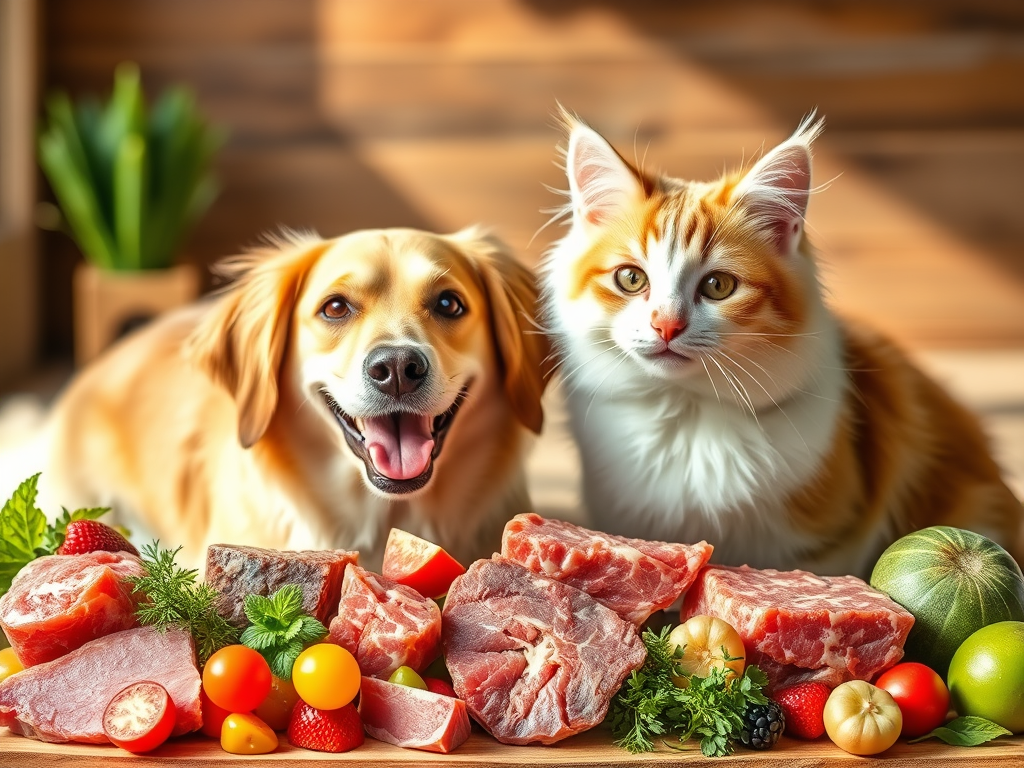
A raw food diet typically includes uncooked muscle meats, organ meats, and sometimes fruits, vegetables, and eggs. Some pet parents prepare meals at home, while others buy commercially prepared raw food options that are frozen or freeze-dried.

Pros of Feeding Raw Food to Pets
- Shinier Coat & Healthier Skin: Many pet owners report that their pets develop glossier coats and fewer skin issues when eating raw diets high in animal fats and natural oils.
- Improved Digestion: Raw diets tend to be low in fibre, which can result in smaller, firmer stools and better digestion for some pets.
- Higher Energy Levels: The protein-rich content of raw food may contribute to increased energy, especially in active or working dogs.
- Fewer Unknown Ingredients: Homemade or high-quality commercial raw diets typically have fewer preservatives, flavors, and colors.
Cons of Feeding Raw Food to Pets
- Risk of Bacterial Contamination: Raw meat can contain harmful bacteria like Salmonella or E. coli, which may pose a risk to both pets and humans in the household if not handled properly during production or feeding.
- Nutritional Imbalance: Homemade raw diets may lack essential vitamins and minerals if not carefully formulated. Long-term feeding without guidance can lead to health problems.
- Choking or Injury from Bones: Some raw food formulations have bones which can splinter or cause blockages. Cooked bones are especially dangerous and should always be avoided.
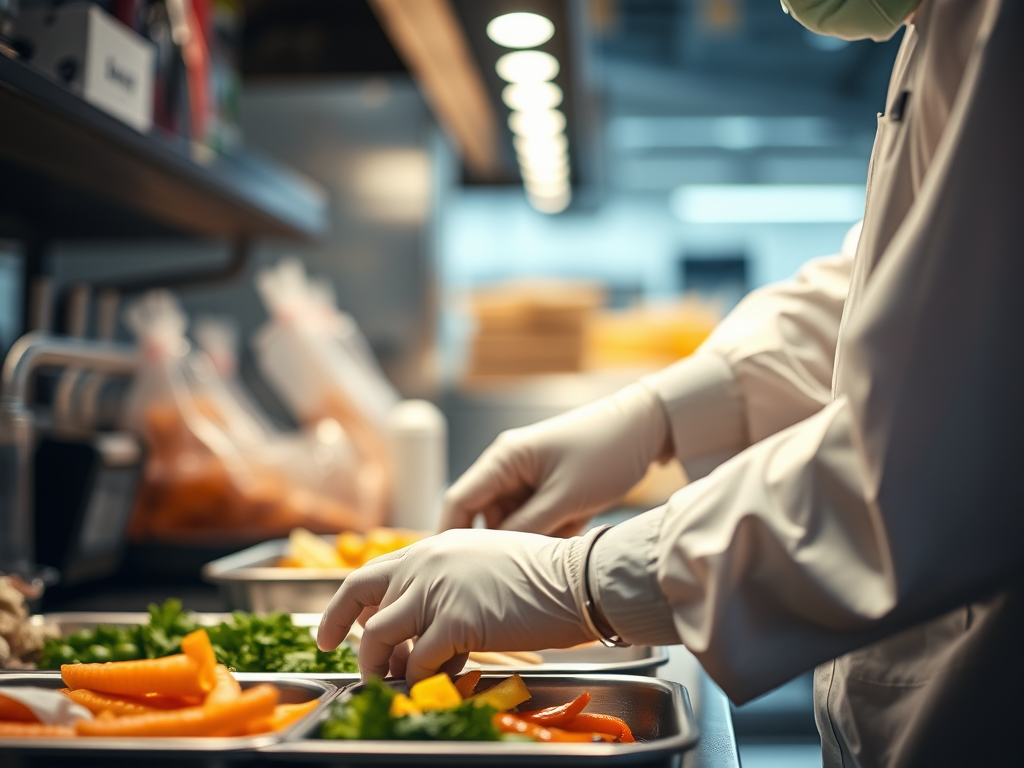
- Storage and Preparation: Raw food must be stored and handled carefully to prevent spoilage and cross-contamination. This can be time-consuming and requires strict hygiene.
- Cost: Feeding raw food—especially commercially prepared raw diets—can be more expensive than traditional kibble or canned food.
- Low Fibre: This can lead to indigestion, constipation, bloating or diarrhea in some animals.
Is Raw Feeding Right for Your Pet?
Raw diets can work well for some pets, especially when they are balanced and safely prepared. However, they’re not the best choice for every household or pet. It’s essential to talk to your veterinarian or veterinary technologist—ideally one with experience in pet nutrition—before switching to a raw food diet. They can help you avoid nutritional pitfalls and ensure your pet’s diet supports their individual needs.
Tips for Feeding Raw Food Safely
- Wash your hands, bowls, and surfaces thoroughly after handling raw food.
- Use stainless steel bowls that are easy to sanitize.
- Freeze and thaw raw food according to the manufacturer’s instructions.
- Consider using a veterinary-formulated commercial raw food to ensure balance.
Final Thoughts
Feeding raw food to pets has both potential benefits and important risks. When done right—with research, planning, and veterinary guidance—a raw diet may contribute to a healthy, happy life for your dog or cat. As with any major dietary change, the key is to make informed decisions that fit your pet’s lifestyle, health status, and your ability to manage their meals safely.
Have questions about your pet’s nutrition? Contact your veterinarian for personalized advice—they’re your best resource for keeping your furry friend thriving!
 Pet Care Partner
Leave a comment